Salerno Letteratura Festival
Eight days of books, voices, and music in the historic center of Salerno
About Salerno Letteratura
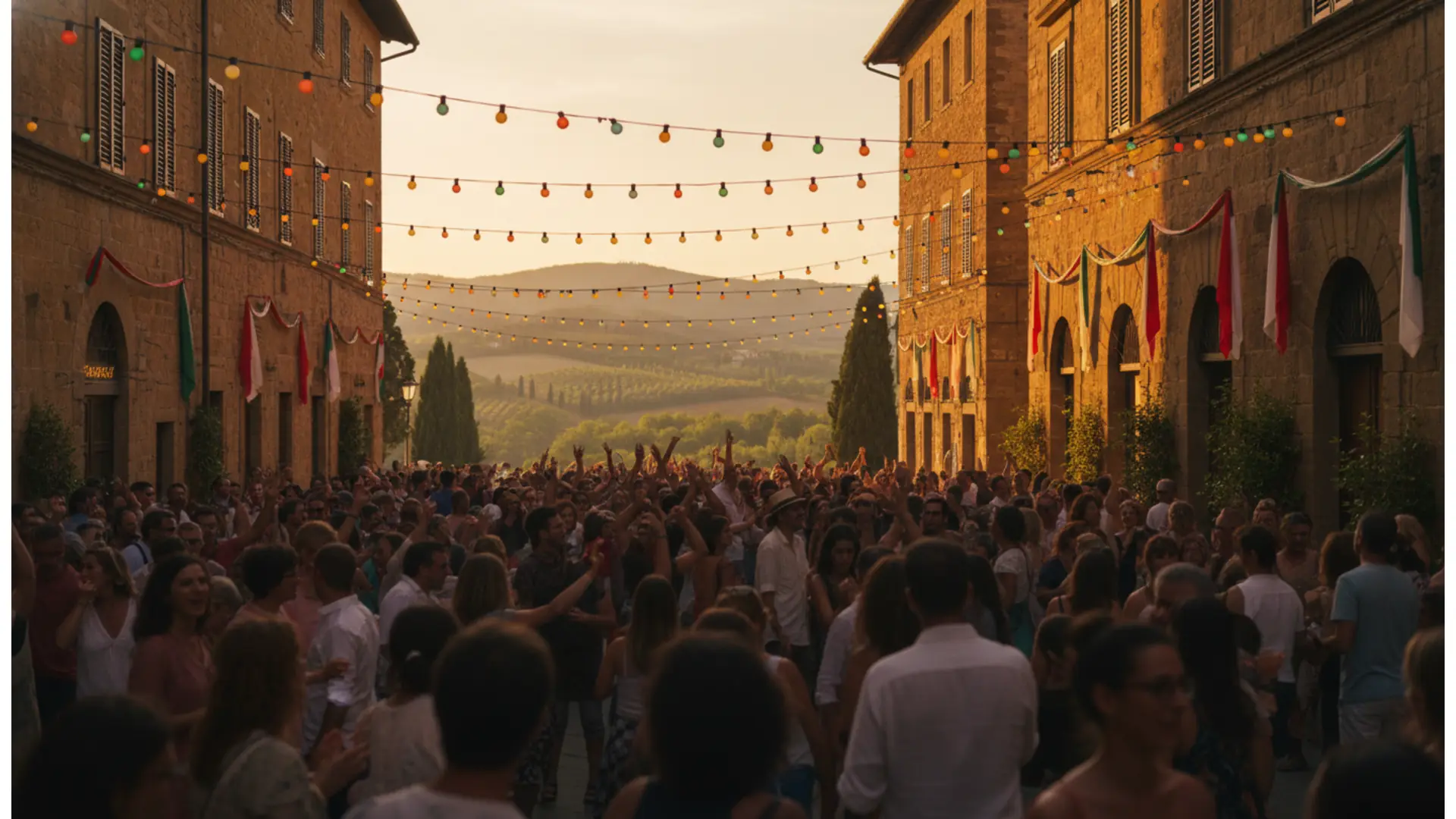
A festival that inhabits the historic center
Salerno Letteratura is not a festival confined to a theater: it is an event that takes over the city. For eight days in mid-June, the historic center of the Municipality of Salerno — the capital of the province of the same name, in Campania — becomes the sprawling stage for a dense program of author meetings, readings, performances, concerts, workshops, and award ceremonies. The Cathedral Atrium, cloisters, deconsecrated churches, medieval palaces, and the squares of the Barbuti district host, from morning until night, an audience that moves on foot from one event to the next.
From 2013 to today
The festival was born in 2013 on the initiative of Francesco Durante and Ines Mainieri, with the idea of building a temporary community made of readers, authors, volunteers, and visitors. In just over ten editions, the event has grown significantly — the printed program now exceeds one hundred pages — without losing its original character: the deep bond with the Salerno territory and the choice to remain a popular festival, open to all and free of charge. The artistic direction is entrusted to Gennaro Carillo and Paolo Di Paolo, with a section dedicated to younger readers.
The program sections
The schedule is organized into thematic strands that help navigate a very broad and deliberately multidisciplinary lineup:
- Fiction — Italian and international narrative, novels, and short stories;
- Poetry — readings, tributes, and performances scattered through the alleys;
- Philosophy and Classics — ancient and contemporary thought put to the test of current events;
- The Science Story — scientific popularization in narrative form;
- History and Glimpses of the Current World — history, geopolitics, current affairs;
- Visions and Sounds — cinema, images, concerts, and musical readings;
- Graphic Novels — auteur comics and illustration;
- Youth Space, courses and workshops — creative writing, translation, cultural journalism.
Literary awards
Salerno Letteratura is also a showcase for accolades: during the event, the Salerno Europe Book Prize, dedicated to contemporary European fiction, the Demetra Prize for environmental literature, the Business Literature Prize, and the De Sanctis Prize are awarded. Also traditional is the appointment with the five finalists of the Strega Prize, guests of the festival thanks to the collaboration with the Bellonci Foundation: one of the most anticipated and crowded evenings of the entire week.
The venues
The festival uses about a dozen venues, almost all within a few minutes' walk of each other: the Cathedral Atrium of San Matteo, with its quadriporticus of spolia columns, the Diocesan Museum, the Palatine Chapel commissioned by the Lombard prince Arechi II, the Church of San Benedetto, the Church of the Addolorata, the former Church of the Morticelli, Palazzo Fruscione, the National Boarding School, the Liceo Tasso, the Archive of Contemporary Architecture, and the evocative Largo Barbuti, the heart of the maze of medieval alleys. Visiting the festival therefore also means taking a journey through the city's historical and architectural heritage.
Free admission, audience of all ages
All events on the schedule are free to attend until capacity is reached: this is an identity-defining choice of the festival, which has helped build an intergenerational audience, with a very strong presence of students and families. Some workshops and courses, however, require advance registration as they have limited spots.
Salerno in summer, around the festival
June is perhaps the best month to discover Salerno: the climate is already summery but not yet scorching, the Trieste seafront and the Minerva Gardens are in full bloom, and the city is the natural gateway to the Amalfi Coast, the Cilento, and the archaeological area of Paestum. Those arriving for the festival thus find a destination that combines culture, sea, and Campanian gastronomy, from buffalo mozzarella to pizza, to the wines of the Salerno province.
Salerno Letteratura — edition 2026
Fourteenth edition: the awakened heart
The 2026 edition of Salerno Letteratura took its title from a verse by Alfonso Gatto, "The awakened heart will have words," completed by the subtitle "Literature in restless times." A choice motivated by two factors: the fiftieth anniversary of the passing of the poet born in Salerno and the desire to question the role of the written word in a season marked by conflicts and transformations. The festival's graphic image, designed by Giuseppe Durante, depicted a double-bell alarm clock: not a nostalgic call to the past, but an ethical invitation to vigilance and resistance.
A program of over one hundred pages
The program booklet reached 116 pages, a sign of the constant growth of the cultural offering. The lineup was distributed into the sections Fiction, Visions, Sounds, Classics, The Science Story, Philosophy, Glimpses of the Current World, History, Poetry, Graphic Novels, as well as the Youth Space and courses and workshops. The inauguration was held on Saturday, June 13 at 8:30 PM in the Cathedral Atrium, with the opening lectio entrusted to the two artistic directors.
The voices of 2026
Among the announced and present guests: Dacia Maraini, Rachel Kushner, Elena Kostioukovitch, Emanuele Trevi, Igiaba Scego, Franco Marcoaldi, Tiziano Scarpa, Gino Castaldo, Elena Bucci, Marco Damilano, and Serena Bortone, alongside dozens of other authors, scholars, and artists. There was no shortage of tributes to the classics of the twentieth century, from Benedetto Croce to Ingeborg Bachmann.
Awards, schools, and workshops
As per tradition, the festival hosted the awarding of the Salerno Europe Book Prize, the Demetra Prize for environmental literature, the Business Literature Prize, and the De Sanctis Prize, in addition to the evening with the finalists of the Strega Prize. Alongside the meetings, the summer school of creative writing and cultural journalism, the reading school, reading circles led by readers rather than authors, and, on June 20, a large open-air writing workshop took place to close the event.
Programme Salerno Letteratura 2026
Dates
From Saturday, June 13 to Saturday, June 20, 2026, from morning until late evening, in the historic center of Salerno.
Opening
- Saturday, June 13, 8:30 PM — Cathedral Atrium: inauguration of the fourteenth edition with Gennaro Carillo and Paolo Di Paolo.
Sections
- Fiction — Italian and foreign narrative;
- Poetry — readings and tributes, with the common thread dedicated to Alfonso Gatto;
- Philosophy and Classics — ancient and contemporary thought;
- The Science Story — popularization and new technologies, from artificial intelligence to research;
- History and Glimpses of the Current World — history, constitutional law, international current affairs;
- Visions and Sounds — cinema, images, concerts, and staged readings;
- Graphic Novels — comics and illustration;
- Youth Space — workshops and meetings for children and adolescents, with young moderators.
Awards presented during the festival
- Salerno Europe Book Prize;
- Demetra Prize (environmental literature);
- Business Literature Prize;
- De Sanctis Prize;
- Evening with the five finalists of the Strega Prize, in collaboration with the Bellonci Foundation.
Courses and workshops
- Summer school of creative writing and cultural journalism;
- Reading school and reading circles;
- June 20: open-air writing workshop open to all.
Venues
Cathedral Atrium, Diocesan Museum, Palatine Chapel, Church of San Benedetto, Church of the Addolorata, former Church of the Morticelli, Palazzo Fruscione, National Boarding School, Liceo Tasso, Archive of Contemporary Architecture, and Largo Barbuti.
The detailed program, day by day and venue by venue, is available and downloadable from the official website salernoletteratura.com.
Highlights Salerno Letteratura 2026
- Edition title: "The awakened heart will have words. Literature in restless times," from a verse by Alfonso Gatto, on the fiftieth anniversary of the Salerno poet's death.
- Inauguration Saturday, June 13 at 8:30 PM in the Cathedral Atrium.
- 116-page program divided into thirteen thematic sections.
- Guests such as Dacia Maraini, Rachel Kushner, Emanuele Trevi, Elena Kostioukovitch, Igiaba Scego, Marco Damilano, and Serena Bortone.
- Evening with the five finalists of the Strega Prize and presentation of the Salerno Europe Book Prize, the Demetra Prize, and the De Sanctis Prize.
- Open-air writing workshop on June 20, closing the event.
- Festival image designed by Giuseppe Durante: a double-bell alarm clock as a call to vigilance.
Prices Salerno Letteratura 2026
Practical information — Salerno Letteratura
How to get there
By train: Salerno station is served by Frecciarossa, Italo, and Intercity trains; from the station to the historic center, it takes about 15 minutes on foot along Corso Vittorio Emanuele. By car: take the Salerno Centro or Fratte exits from the A2 del Mediterraneo motorway; the historic center has restricted traffic, so it is advisable to use the interchange parking lots. By plane: Naples Capodichino airport (about 60 km) and Salerno Costa d'Amalfi airport.
Admission and reservations
All meetings are free with limited seating; it is recommended to arrive early for evenings at the Cathedral Atrium. Courses, summer schools, and workshops have limited capacity and require registration via the official website.
Tips
The complete program, with times and venues, is published in a browsable and downloadable version on salernoletteratura.com. The venues are all reachable on foot: comfortable shoes and a water bottle are the right equipment. For accommodation, the historic center and the seafront area offer B&Bs and hotels, but in June it is advisable to book well in advance.
Festival-goer photos
No photos yet. Share yours!
Share your photos
5 photos max, 5 MB per photo (JPG, PNG, WebP)
Noticed an error or missing information?
Help us keep this listing up to date. Every proposal is verified by our team before publication.
Festival-goer reviews
No rating yet — be the first!
No comments yet. Be the first!
Were you there?
Share your experience with the community.
Published by Valentin Contard, festival listings writer. Reviewed, corrected and approved by Christophe Contard, editor-in-chief. .
Where does it take place — Salerno Letteratura
Centro storico di Salerno — Atrio del Duomo
Piazza Alfano I, 84121 Salerno