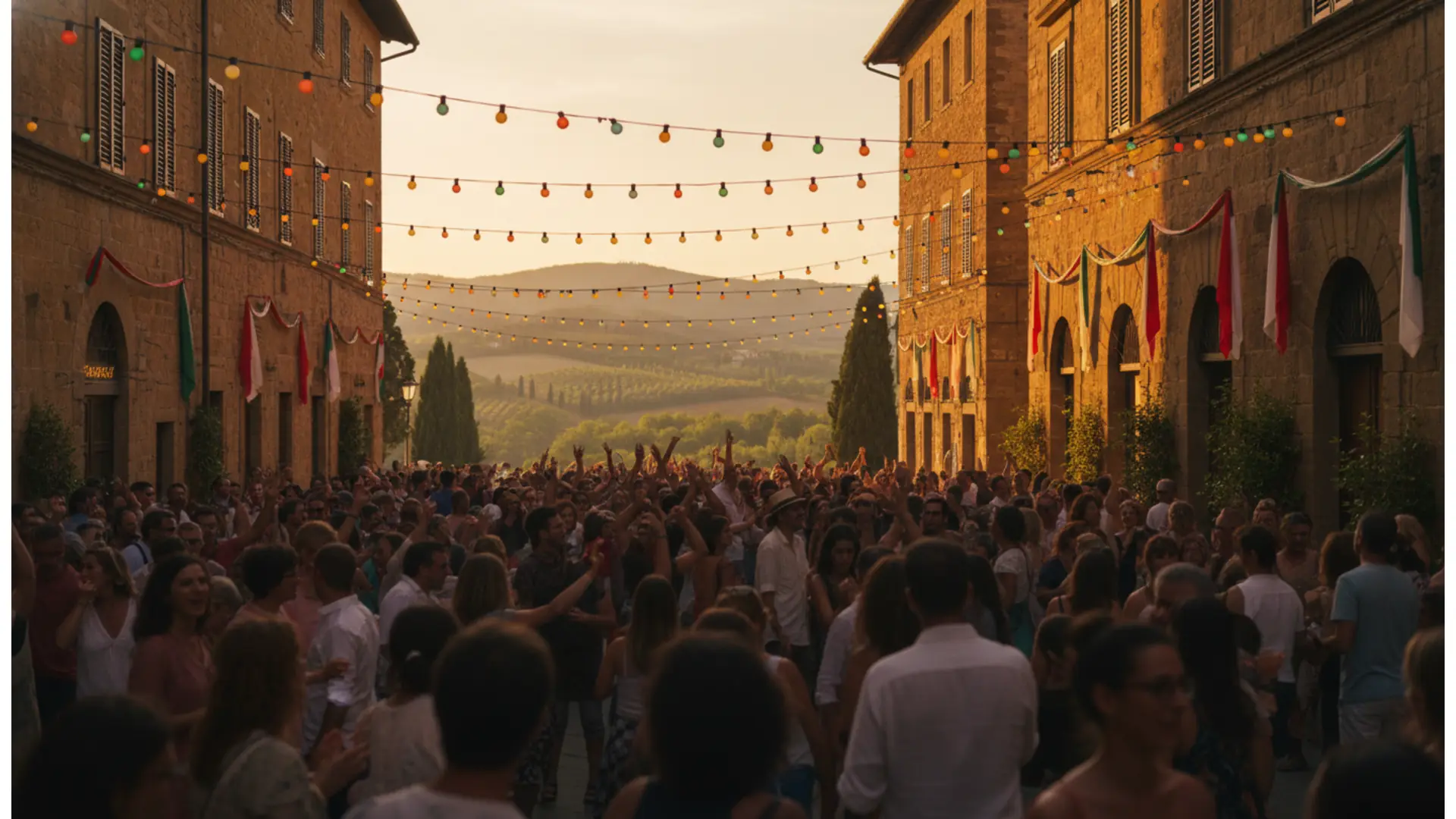
Saint Joseph Festival
The Patriarch's feast, votive tables, and the virgineddi in San Giuseppe Jato
About Saint Joseph Festival
The Patriarch's feast in San Giuseppe Jato
Every year, around March 19th, the town of San Giuseppe Jato in the province of Palermo celebrates the Saint Joseph Festival, dedicated to the saint for whom the town is named. It is one of the most deep-rooted traditions in the Jato Valley, blending religious devotion with the most genuine Sicilian folk customs. For a few days, the town, lying on the slopes of Mount Jato, gathers around the Mother Church, where a chapel houses the exquisite statue of the Patriarch attributed to sculptor Girolamo Bagnasco.
Origins and history
The festival has ancient origins, likely dating back to the 18th century, the same era the town was founded: San Giuseppe Jato was established around 1778 when Ferdinand IV granted the licentia populandi on former Jesuit lands, originally named San Giuseppe dei Mortilli. The tradition of the votive tables stems from a vow of gratitude: according to legend, during a severe drought that caused a long famine in Sicily, the faithful promised Saint Joseph a banquet to be offered to the poor in exchange for divine grace.
The tables and the virgineddi
The most characteristic heart of the festival is the Saint Joseph tables, true domestic altars decorated with drapes, flowers, and the saint's image, upon which numerous dishes prepared as ex-voto offerings are placed. The protagonists of the rite are the virgineddi: three children chosen to represent the Holy Family—Jesus, Mary, and Saint Joseph. Before sitting down at the banquet, religious rites and the recitation of the so-called "parti" take place; only then are the dishes served and shared with the community, in a gesture of solidarity that was once aimed primarily at the most needy.
The flavors of the festival
Gastronomy is an integral part of the celebration. The tables are filled with humble, symbolic dishes: pasta with legumes, salt cod, battered vegetables, and traditional sweets of the period. A must-try is the sfincia di San Giuseppe, a soft fritter covered in ricotta cream, and above all, the votive bread of Saint Joseph, molded into various shapes that recall sacred symbols and carpenter's tools in honor of the artisan saint.
Processions and religious moments
Alongside the convivial dimension, the festival retains a strong devotional character: visits to the altars, the Holy Family pageant, the Eucharistic celebration, and the solemn afternoon procession of the Patriarch's statue through the town streets mark the days, involving both residents and visitors. It is an event that tells the story of the identity of rural Sicily and the entire region, where faith, memory, and hospitality merge into one great community celebration.
Saint Joseph Festival — edition 2026
2026 Edition
From March 14 to 19, 2026, San Giuseppe Jato celebrated its Saint Joseph Festival. The program included visits to the altars, the Holy Family pageant with the virgineddi, the Eucharistic celebration in the Mother Church, and, on the afternoon of March 19, the solemn procession of the Patriarch's statue through the town streets. The votive tables, set up with Saint Joseph bread and traditional dishes, renewed the gesture of sharing with the community.
Programme Saint Joseph Festival 2026
- Visits to altars and votive tables in devotees' homes
- Holy Family pageant with the three virgineddi (Jesus, Mary, and Joseph)
- Recitation of the "parti" and blessing of the tables
- Eucharistic celebration in the Mother Church dedicated to Saint Joseph
- Afternoon procession of the Patriarch's statue through the town streets (March 19)
Highlights Saint Joseph Festival 2026
- Votive tables with Saint Joseph bread molded into symbolic shapes
- The rite of the virgineddi representing the Holy Family
- Saint Joseph's sfincia and traditional sweets
- The procession of the statue attributed to Girolamo Bagnasco
Prices Saint Joseph Festival 2026
Practical information — Saint Joseph Festival
How to get there
San Giuseppe Jato is located in the Jato Valley, about 30 km southwest of Palermo. By car, it can be reached from the A29 Palermo-Mazara motorway, taking the exit toward the SS624 and local provincial roads. The reference railway station is Palermo, from where you can continue by bus or car.
When and where
The festival takes place in mid-March, around the March 19th anniversary, with celebrations and processions centered at the Mother Church dedicated to Saint Joseph. The tables are set up in the homes of the devotees and in community spaces throughout the town.
Tips
Free admission to public and religious events. We recommend tasting the sfincia di San Giuseppe and the votive bread at local bakeries and pastry shops during the festival days.
Festival-goer photos
No photos yet. Share yours!
Share your photos
5 photos max, 5 MB per photo (JPG, PNG, WebP)
Noticed an error or missing information?
Help us keep this listing up to date. Every proposal is verified by our team before publication.
Festival-goer reviews
No rating yet — be the first!
No comments yet. Be the first!
Were you there?
Share your experience with the community.
Published by Valentin Contard, festival listings writer. Reviewed, corrected and approved by Christophe Contard, editor-in-chief. .
Where does it take place — Saint Joseph Festival
Chiesa Madre di San Giuseppe