Traditional Bonfires — The Saints' Fires (Saint Anthony Abbot, Saint Sebastian, Saint Cyrus, Saint Blaise)
The neighborhood winter bonfires of the Gargano, where the sacred meets the profane
About San Nicandro Traditional Bonfires
The fires that light up the Gargano winter
In San Nicandro Garganico, a village on the Gargano promontory in the province of Foggia, the heart of winter is marked by neighborhood bonfires: stacks of natural wood lit at sunset in the streets, squares, and open spaces of the historic center. It is one of the most deeply felt identity-defining traditions of the Gargano community, a ritual "blending the sacred and the profane that dates back to the dawn of time."
Four saints, four fiery evenings
The tradition is not tied to a single date but to a true winter calendar, with a bonfire for each of the celebrated saints:
- Saint Anthony Abbot — January 17, the main celebration, protector of animals and fire;
- Saint Sebastian — January 20;
- Saint Cyrus — January 31;
- Saint Blaise — February 3.
On each of these evenings, the neighborhoods prepare their own fires: among the most popular spots are Largo Colonna and Piazza Fioritto, bordered by the Church of the Carmine and the Church of the Dead, though bonfires are lit in almost every district of the town.
A community ritual
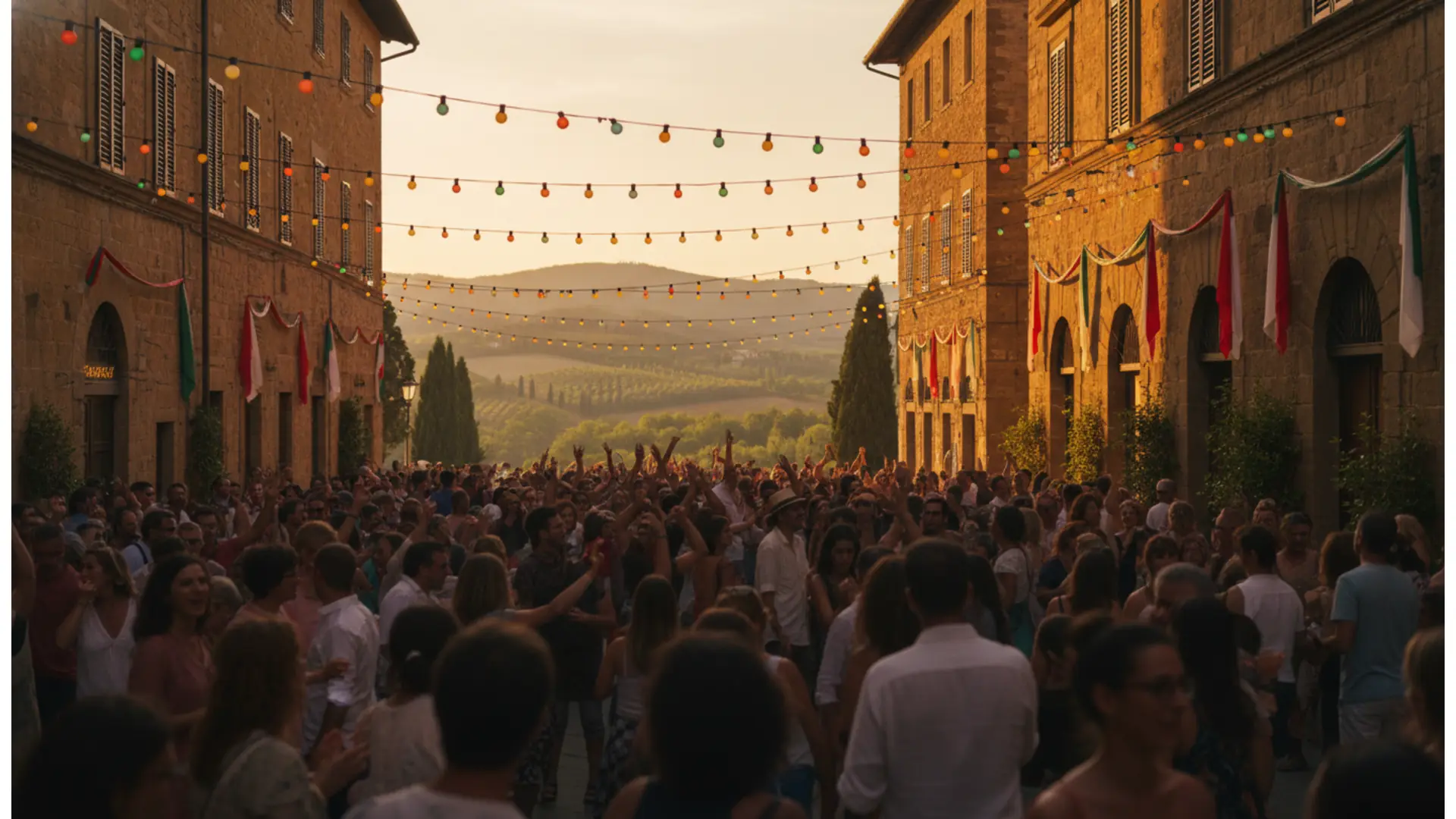
The community gathers around the flames to warm up and spend time together: they roast meat, sausages, and chickpeas, drink wine, sing, play music, and dance. There is no shortage of masks, which effectively kick off the Carnival period. As the local dialect saying goes: "A sant'Antòn, masckura e sòn" (At Saint Anthony's, masks and sounds). In rural culture, fire has a purifying value: it burns away the negativity of the past year and symbolizes renewal.
A tradition recognized by the Apulia Region
The Bonfires of Saint Anthony Abbot in San Nicandro Garganico have been inscribed, by executive decree of the Apulia Region, in the regional register of fire-related festive rituals, a recognition that certifies their value as intangible cultural heritage. Every year, the Municipality of San Nicandro Garganico issues a specific ordinance regulating the safe lighting of the bonfires, requiring the use of untreated natural wood, constant supervision, and an absolute ban on burning waste.
Why it's worth the trip
Experiencing the bonfires of San Nicandro means connecting with the most authentic and popular side of Apulia, that of the Gargano winter rituals that have withstood the test of time. It is not an event staged for tourists, but a genuine town festival, free and open-air, where visitors are welcomed around the fire as part of the community.
San Nicandro Traditional Bonfires — edition 2026
The 2026 edition of the Traditional Bonfires of San Nicandro Garganico took place over the usual four winter evenings. The municipal ordinance confirmed the dates of January 17 (Saint Anthony Abbot), January 20 (Saint Sebastian), January 31 (Saint Cyrus), and February 3 (Saint Blaise). As per tradition, the bonfires were set up by neighborhood committees in the town's squares and open spaces, including Largo Colonna, with parking bans in the affected areas. Around the fires, lit at sunset, the community gathered to roast meat, sausages, and chickpeas, drink wine, sing, and dance, kicking off the Carnival season.
Programme San Nicandro Traditional Bonfires 2026
The 2026 bonfire evenings
- January 17 — Saint Anthony Abbot: main bonfire, lit at sunset (parking ban at Largo Colonna from 2:00 PM to midnight).
- January 20 — Saint Sebastian: neighborhood bonfires.
- January 31 — Saint Cyrus: neighborhood bonfires.
- February 3 — Saint Blaise: neighborhood bonfires closing the winter fire cycle.
On each evening, the fires are lit around sunset in the various districts of the center; around the flames, meat, sausages, and chickpeas are roasted and wine is shared, amidst singing, dancing, and masks.
Highlights San Nicandro Traditional Bonfires 2026
Prices San Nicandro Traditional Bonfires 2026
Practical information — San Nicandro Traditional Bonfires
When
Evenings of January 17 (Saint Anthony Abbot), January 20 (Saint Sebastian), January 31 (Saint Cyrus), and February 3 (Saint Blaise). Bonfires are lit around sunset.
Where
Neighborhoods, squares, and open spaces in the center of San Nicandro Garganico (FG), including Largo Colonna and Piazza Fioritto. On some evenings, parking is prohibited in the affected areas (e.g., at Largo Colonna from 2:00 PM to midnight).
How to get there
By car: San Nicandro Garganico can be reached via the SS693 and SS89 Garganica, exiting the A14 motorway at Poggio Imperiale or San Severo. By train: San Nicandro Garganico station on the secondary Adriatic line.
Costs
Free, open-air event. Food and wine are often shared by neighborhood committees.
Tips
Wear warm winter clothing; respect safety distances from the fires and follow the municipal ordinance guidelines.
Festival-goer photos
No photos yet. Share yours!
Share your photos
5 photos max, 5 MB per photo (JPG, PNG, WebP)
Noticed an error or missing information?
Help us keep this listing up to date. Every proposal is verified by our team before publication.
Festival-goer reviews
No rating yet — be the first!
No comments yet. Be the first!
Were you there?
Share your experience with the community.
Published by Valentin Contard, festival listings writer. Reviewed, corrected and approved by Christophe Contard, editor-in-chief. .
Where does it take place — San Nicandro Traditional Bonfires
Rioni, piazze e larghi del centro (Piazza Fioritto, Largo Colonna)