Romanesco Artichoke Festival
The Romanesco artichoke takes center stage in Rome's Jewish Ghetto
About Artichoke Festival
A festival in the heart of the Jewish Ghetto
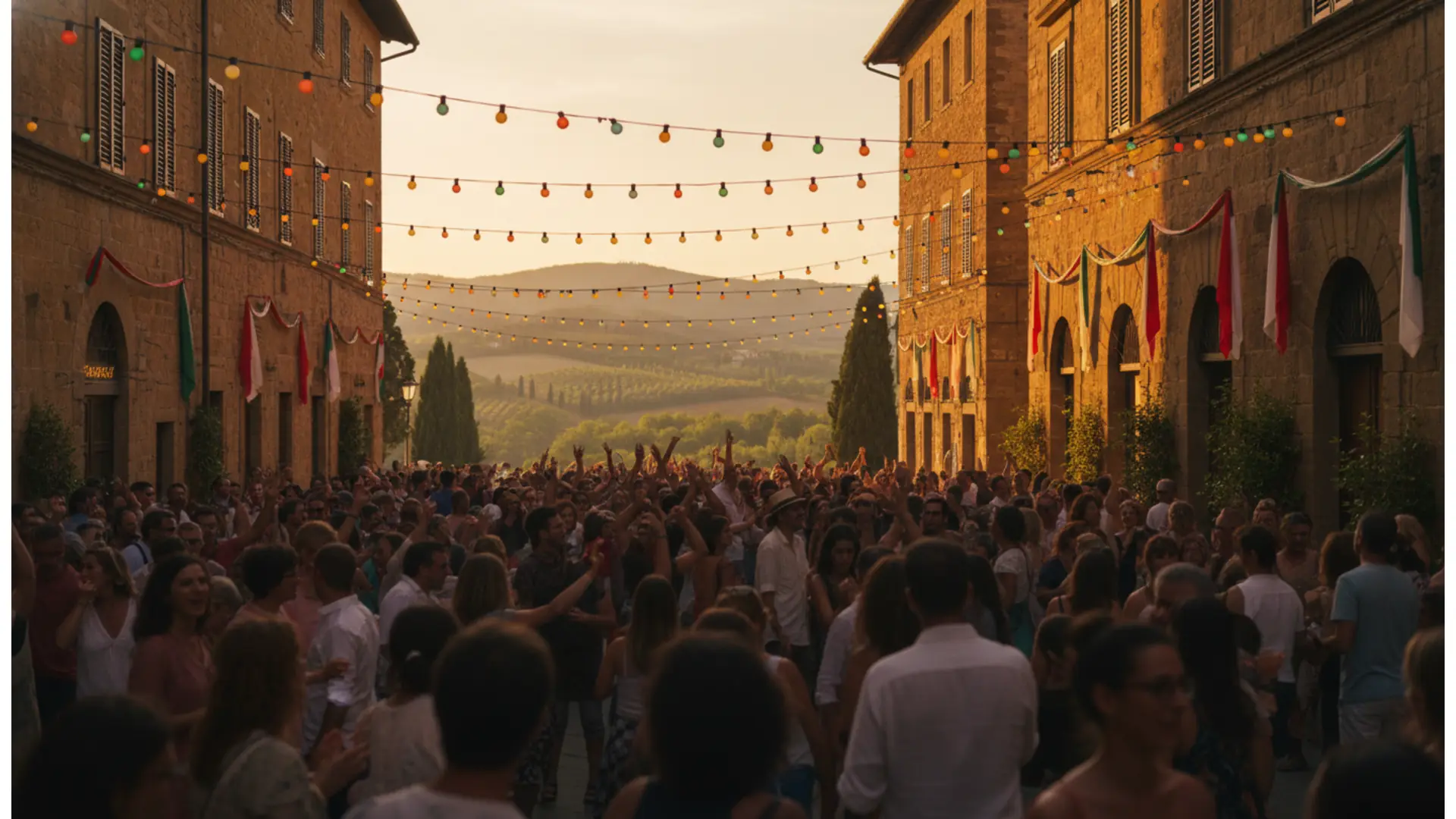
The Romanesco Artichoke Festival takes place in the Sant'Angelo district, along Via del Portico d'Ottavia and the streets of Rome's Jewish Ghetto, in the Municipality of Rome, Metropolitan City of Rome Capital, in the Lazio region. It is here that the Romanesco artichoke has found some of its most celebrated preparations, and it is here that, since 2022, Confesercenti of the Rome, Frosinone, and Rieti area, together with Fiepet, has chosen to dedicate a widespread event, which also extends to the Trevi and Ripa districts and the Campo de' Fiori area.
The Romanesco artichoke, a signature product of Lazio
The Romanesco artichoke of Lazio, also known as cimarolo or mammola, is a round, tender, thornless vegetable, grown primarily in the coastal strip between Ladispoli, Cerveteri, Montalto di Castro, and Sezze. Its season runs from February to April, and it is precisely in April that it reaches full maturity: hence the choice to hold the festival in spring. The product is protected by an IGP (Protected Geographical Indication) label and represents one of the most recognizable agricultural symbols of the region.
Two recipes, two traditions
The festival brings together the two great schools of Roman cuisine:
- Carciofo alla giudia: the heart of Jewish-Roman cuisine, the artichoke is flattened and deep-fried twice in boiling oil until it becomes golden and crispy like an open flower.
- Carciofo alla romana: slowly stewed upside down with Roman mint, garlic, oil, and white wine, it remains tender and fragrant.
Each year, chefs pair these historical recipes with contemporary reinterpretations: appetizers, first courses, pairings with meat and fish, and even artichoke-flavored gelato, offered in collaboration with the Italian Gelato Makers Association.
How the event works
The format is that of a widespread festival: not a single fenced-in area, but about twenty neighborhood restaurants participating in the initiative, recognizable by an artichoke-shaped menu displayed at the entrance. Each establishment offers a dedicated menu at a fixed price of 35 euros, served for both lunch and dinner throughout the event. Restaurants that have participated in recent editions include La Taverna del Ghetto, Baghetto Bistrot, Renato al Ghetto, Baghetto Milk, Baghetto Meat, Il Giardino Romano, Bella Carne, Pollaria, Sheva, Yotvata, Casalino, Nonna Betta, and Giggetto.
Market, tastings, and meetings
Alongside the dining experience, the event hosts the Campagna Amica market, curated by Coldiretti Lazio, featuring local farms selling artichokes and zero-kilometer vegetables, as well as a program of free tastings, live cooking shows, and meetings between producers, chefs, and institutions. The stated goal is to promote the short Lazio supply chain and tell the story of the bond between territory, culture, and gastronomy.
Organizers
The event is conceived and promoted by Confesercenti of the Rome, Frosinone, and Rieti area with Fiepet, the federation of public business owners, and enjoys the support of the Ministry of Agriculture and Food Sovereignty, Ismea, Arsial, the Lazio Region, Rome Capital, the 1st Municipality, Coldiretti, Agrocamera, and the Rome Agri-Food Center.
Why it's worth visiting
More than just a food festival, the Romanesco Artichoke Festival is an opportunity to traverse one of the oldest and most layered neighborhoods in Rome, following the thread of a single ingredient. You can eat sitting in the historic restaurants of the Ghetto, stroll between the Portico d'Ottavia and the Theatre of Marcellus, and discover how a seasonal vegetable has become, over time, a shared cultural heritage.
Artichoke Festival — edition 2026
The fourth edition
Presented on March 26, 2026, at a press conference at Palazzo Valentini, the fourth edition of the Romanesco Artichoke Festival enlivened Via del Portico d'Ottavia and the streets of the Jewish Ghetto for five days, also involving the Trevi and Ripa districts and the Campo de' Fiori area.
The opening, on Sunday, April 12 at 10:00 AM, was marked by the market featuring the sale of local artichokes and vegetables in collaboration with Coldiretti. The official ribbon-cutting ceremony was held on Monday, April 13 at 11:30 AM at Largo 16 Ottobre 1943, with tastings and the participation of the Italian Gelato Makers Association. Until Thursday, April 16, participating restaurants served dedicated menus for lunch and dinner.
Programme Artichoke Festival 2026
Sunday, April 12
- 10:00 AM — Opening of the market at Portico d'Ottavia: sale of Romanesco artichokes and seasonal vegetables with farms from Campagna Amica Lazio (Coldiretti), zero-kilometer products.
- Themed menus for lunch and dinner at participating restaurants.
Monday, April 13
- 11:30 AM — Official ribbon-cutting at Largo 16 Ottobre 1943, with public tastings and the presence of the Italian Gelato Makers Association, which offered samples of artisanal artichoke gelato.
- Continuation of the Campagna Amica market.
Tuesday, April 14 to Thursday, April 16
- Menus dedicated to the Romanesco artichoke for lunch and dinner in about twenty restaurants in the Portico d'Ottavia area and neighboring streets, at a fixed price of 35 euros.
- Street food, live cooking shows, and meetings between chefs, producers, and institutions.
Participating restaurants
La Taverna del Ghetto, Baghetto Bistrot, Renato al Ghetto, Baghetto Milk, Baghetto Meat, Il Giardino Romano, Bella Carne, Pollaria, Sheva, Yotvata, Casalino, Nonna Betta, Giggetto. Participating establishments are recognizable by the artichoke-shaped menu displayed at the entrance.
Highlights Artichoke Festival 2026
- Campagna Amica market with Romanesco artichokes and zero-kilometer vegetables from Lazio farms
- Themed menus at a fixed price of 35 euros in about twenty restaurants in the Jewish Ghetto
- The comparison between 'alla giudia' and 'alla romana' artichokes, the two historical recipes of Roman cuisine
- Free tastings at the ribbon-cutting, featuring artisanal artichoke gelato
- Live cooking shows and meetings between chefs, producers, and institutions
Prices Artichoke Festival 2026
Practical information — Artichoke Festival
Getting there
The Jewish Ghetto is located in the historic center of Rome, just a few steps from Largo di Torre Argentina. By bus: lines 30, 40, 63, 64, 70, and 780 (Torre Argentina or Teatro Marcello stops). Tram 8 connects Trastevere to Largo Argentina. The nearest metro station is Colosseo (Line B), about a 15-minute walk away. From Rome Termini station, you can reach the area in about 10 minutes by bus.
Car and parking
The area is included in the ZTL (Limited Traffic Zone) of the historic center: it is recommended to leave your car in park-and-ride lots and continue by public transport.
Prices
Access to the neighborhood, the market, and the tastings is free. The themed menus at participating restaurants cost 35 euros per person. Reservations are highly recommended, especially on weekends.
Tips
Participating restaurants can be identified by the artichoke-shaped menu displayed at the entrance. Many establishments in the Ghetto are kosher and observe specific hours on Friday evenings and Saturdays: always check when booking.
Festival-goer photos
No photos yet. Share yours!
Share your photos
5 photos max, 5 MB per photo (JPG, PNG, WebP)
Noticed an error or missing information?
Help us keep this listing up to date. Every proposal is verified by our team before publication.
Festival-goer reviews
No rating yet — be the first!
No comments yet. Be the first!
Were you there?
Share your experience with the community.
Published by Valentin Contard, festival listings writer. Reviewed, corrected and approved by Christophe Contard, editor-in-chief. .
Where does it take place — Artichoke Festival
Portico d'Ottavia - Ghetto Ebraico
Via del Portico d'Ottavia, 00186 Roma