Feast of Saint Julian the Martyr — Patron Saint of Pollina
The patronal feast of Pollina, blending faith, folklore, and the rural traditions of the Madonie
About Feast of Saint Julian
The patronal feast of the Madonie village
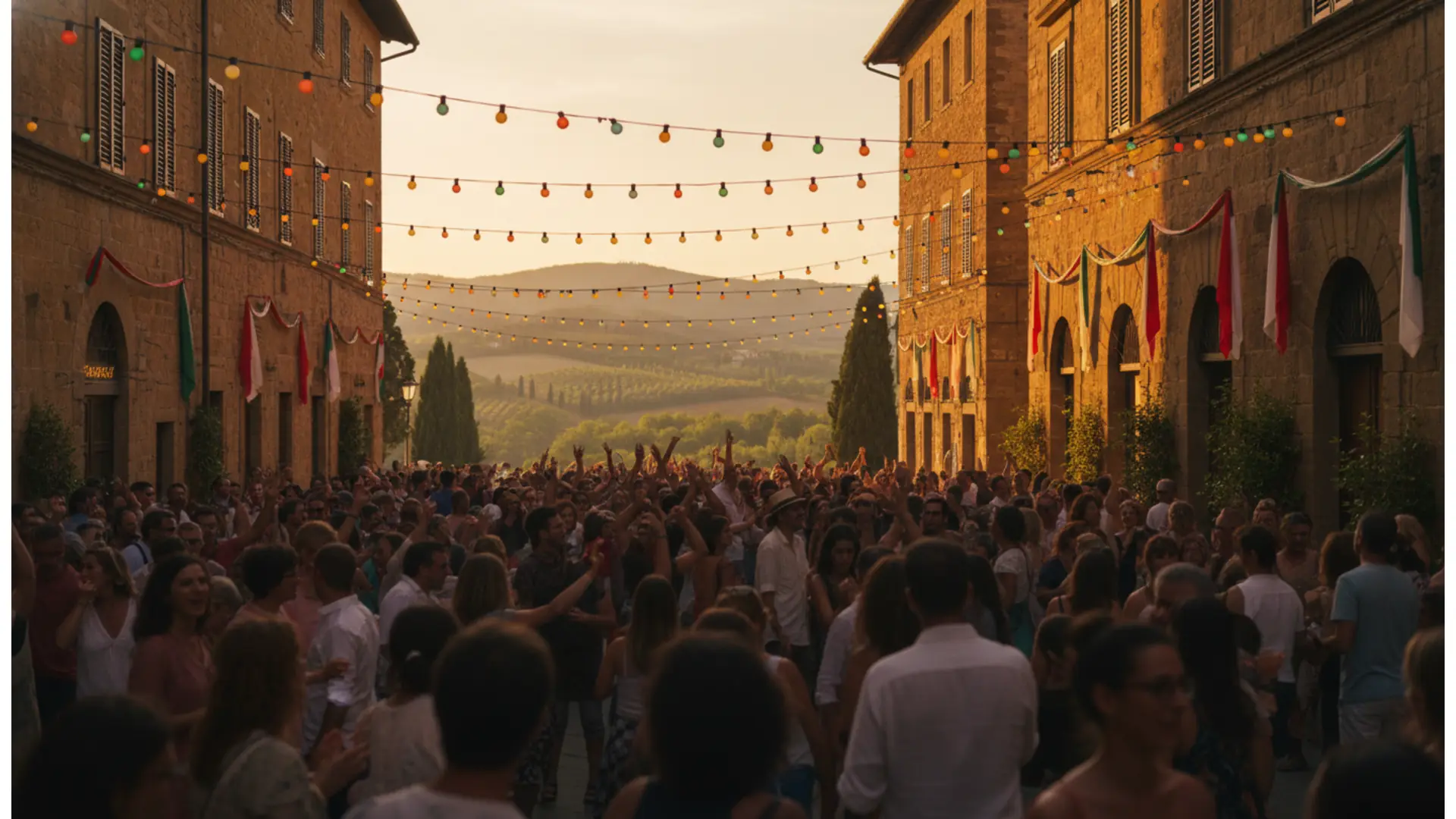
Clinging to a rocky spur overlooking the Tyrrhenian Sea, the town of Pollina is one of the most evocative villages in the Madonie Park, in the province of Palermo. Every year, during the second week of July, the entire town gathers around its patron saint, Saint Julian the Martyr, for a festival that blends faith, folklore, and centuries-old rural traditions. For three days—Friday, Saturday, and Sunday—the streets of the historic center, the Mother Church, and Piazza Maddalena become the stage for processions, religious rites, and community moments that draw back even those who have emigrated from Pollina.
A devotion dating back to 1613
The cult of Saint Julian, the first bishop of Le Mans, took root in Pollina in 1613, when the relic of the Holy Martyr arrived in the village, followed in 1624 by a portion of the saint's leg bone. Originally, the feast was celebrated on January 27; in 1818, it was moved to May 10, and finally set in July to allow emigrants to return and participate. The current date, fixed on the second Sunday of the month and the two preceding days, has been established since 1979.
The three processions
The religious program is structured around three distinct moments, each tied to a day of the festival:
- The Translation and the "Prucissioni du Sinnucu" — On Friday, the statue of the Saint is carried in procession from the Church of Saint Julian to the Mother Church; in the afternoon, the procession led by the mayor takes place.
- The Countryside Procession — On Saturday, the Saint is led to the San Francesco district by about twenty bearers in traditional attire (white shirt, vest, black velvet trousers, and silk scarf), who chant the ancient invocation "e gridamu ccu bona fidi, grazia San Giulianu".
- The Flour Procession — On Sunday, the most ancient and spectacular event takes place, also known as the Procession of the Candles: donkeys and mules adorned with baskets of wheat sheaves parade alongside worshippers in costume and numerous votive candles donated to the Saint, in a rite that celebrates the deep bond between the community and the land.
Between the sacred and popular celebration
Alongside the religious dimension, the Pollina festival retains all the liveliness of a village feast: music, entertainment in the squares, and great popular participation accompany the three days of celebrations. The grand finale is entrusted, as tradition dictates, to the fireworks display, which illuminates the village sky at the close of the festivities. Visiting Pollina during the Feast of Saint Julian means discovering one of the most authentic patronal traditions of the Madonie, where rural rites and popular devotion have remained unchanged for over four centuries.
Feast of Saint Julian — edition 2026
Friday, July 10
Opening of the festivities with the translation of the statue of Saint Julian from the Church of Saint Julian to the Mother Church. In the afternoon, the "Prucissioni du Sinnucu" takes place, the procession led by the mayor through the streets of the historic center.
Saturday, July 11
The Countryside Procession is held: the Saint is carried to the San Francesco district by about twenty bearers in traditional costume, who chant ancient devotional invocations.
Sunday, July 12
The culminating day with the Flour Procession (or Procession of the Candles): mules and donkeys adorned with baskets of wheat sheaves parade together with worshippers in traditional attire and votive candles. The festivities conclude in the late afternoon with the fireworks display.
Programme Feast of Saint Julian 2026
Friday, July 10
- Translation of the statue of Saint Julian from the Church of Saint Julian to the Mother Church, preceded by the solemn Mass in the Saint's church
- Afternoon — "Prucissioni du Sinnucu": procession led by the mayor
Saturday, July 11
- Countryside Procession towards the San Francesco district with bearers in traditional costume
Sunday, July 12
- Flour Procession (Procession of the Candles) with mules and donkeys adorned with wheat sheaves and worshippers in traditional attire
- Late afternoon — Closing fireworks display
The full details of the religious and civil program schedules are published by the Municipality of Pollina in the days leading up to the festival.
Highlights Feast of Saint Julian 2026
Prices Feast of Saint Julian 2026
Practical information — Feast of Saint Julian
How to get there
Pollina is located in the Madonie, in the province of Palermo. By car, it can be reached via the A20 Palermo-Messina motorway (Castelbuono-Pollina exit), then continuing towards the historic center. The nearest train station is Pollina-Finale, on the Tyrrhenian coastal line, from which you can ascend to the village.
When
The festivities take place on the Friday, Saturday, and second Sunday of July. In 2026, the dates are July 10, 11, and 12.
Admission
All events and processions are free and open to the public.
Tips
The historic center is characterized by narrow, sloping alleys: comfortable shoes are recommended. The village offers some accommodation, but in high season it is advisable to book in advance or stay in nearby Cefalù or Castelbuono.
Festival-goer photos
No photos yet. Share yours!
Share your photos
5 photos max, 5 MB per photo (JPG, PNG, WebP)
Noticed an error or missing information?
Help us keep this listing up to date. Every proposal is verified by our team before publication.
Festival-goer reviews
No rating yet — be the first!
No comments yet. Be the first!
Were you there?
Share your experience with the community.
Published by Valentin Contard, festival listings writer. Reviewed, corrected and approved by Christophe Contard, editor-in-chief. .
Where does it take place — Feast of Saint Julian
Chiesa Madre e centro storico di Pollina
Piazza Maddalena, 90010 Pollina