Asti Carnival
The grand parade of masks and tradition in the heart of Asti
About Asti Carnival
The Asti Carnival, a living tradition of Monferrato
The Asti Carnival is one of the most cherished street festivals in Piedmont, transforming the historic center of Asti into a grand open-air stage. Organized by the Municipality of Asti through the Department of Tourism and Events, the event draws families, curious visitors, and folklore enthusiasts from across the province and the wider Piedmont region for a single, festive Sunday.
The roots of an ancient celebration
The origins of the Asti Carnival date back to the late Middle Ages: between the 14th and 15th centuries, Asti was already known as a land of "solacz"—a place of fun, pranks, and masquerades animated by the so-called barboire. Over the centuries, the festival grew to include acrobats, puppet shows, and theatrical performances, culminating in the opening of the Teatro Alfieri in 1860. However, it was in the 1960s that the municipal administration gave the event its modern form, establishing the Asti Mask Family (the "Famija d'le Maschere Astesane") to preserve the city's most popular traditions and characters.
The masks take center stage
The heart and soul of the Carnival are its masks. Alongside Spumantino and Barberina, the official city masks linked to the world of wine, you will find historical figures like Gianduja and Giacometta and characters like Falamoca, accompanied by boatmen, washerwomen, innkeepers, and merchants representing the districts and old trades of Asti. Legend has it that the mask of Gianduja, the symbol of all Piedmont, was born in the Asti area in the early 19th century.
The grand parade
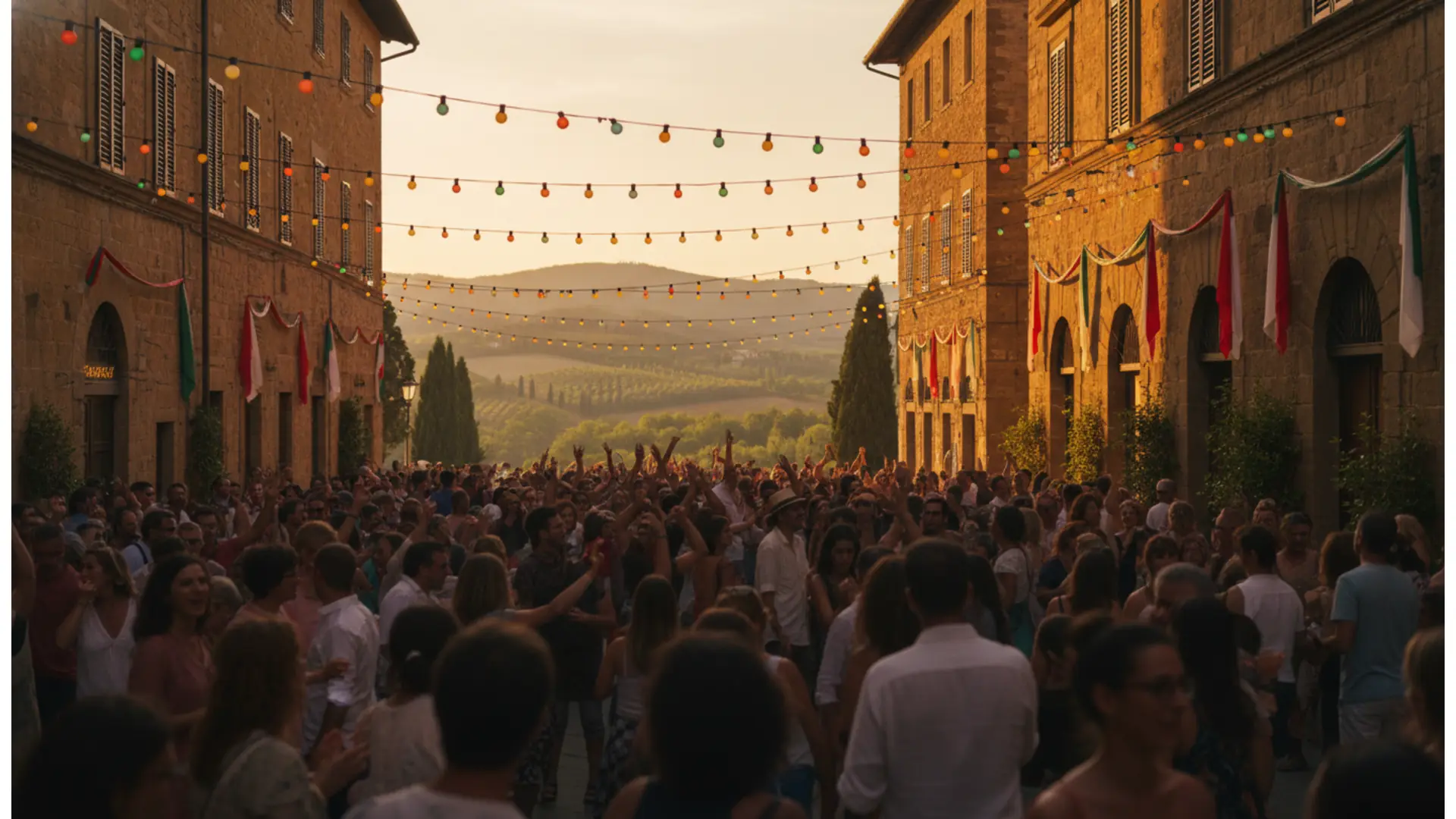
The highlight is the grand afternoon parade, which starts from Corso Alfieri near the Torre Rossa and crosses the historic center to reach Piazza Alfieri. The procession is led by the "G. Cotti" Asti City Band and the Asti Mask Family, followed by the costumed groups of the Palio Committees, local school children, Vespa riders, folk dance groups, and DJs.
Entertainment, food, and fun
The festival is more than just a parade: throughout the day, stalls featuring handicrafts and local food products are open, alongside food stands managed by the Palio Committees. Meanwhile, Piazza Alfieri comes alive with music, dancing, inflatables, face painting, and a pony area for the little ones. Special attention is paid to inclusivity, with social dance moments open to everyone. Admission to all activities is free.
- Where: historic center of Asti, Corso Alfieri and Piazza Alfieri
- Organizer: Municipality of Asti
- Admission: free
- Suitable for: families and children
Asti Carnival — edition 2026
The 2026 edition of the Asti Carnival was held on Sunday, March 1, in the historic center of Asti, confirming the format beloved by families. The day combined tradition, music, and local flavors, with the grand parade as the central moment and Piazza Alfieri transformed into a stage for shows and entertainment. Admission to all events was free.
Programme Asti Carnival 2026
Sunday, March 1, 2026
- 10:00 AM — Opening of handicraft and local food stalls
- 11:30 AM — Meeting of the Asti Mask Family with the Municipal Administration, 1940s musical entertainment with the Signorine Maramao, and opening of the Palio Committee food stalls
- 2:30 PM — Start of the grand parade from Corso Alfieri (Torre Rossa area) through the historic center to Piazza Alfieri, led by the "G. Cotti" Asti City Band
- 3:30 PM — Entertainment in Piazza Alfieri: folk dances, DJ sets, inflatable area, face painting, pony area, and social dance moments dedicated to inclusivity
The Asti Mask Family, costumed groups from the Palio Committees, local school children, Vespa riders, and representatives of regional, national, and international masks all took part in the parade.
Highlights Asti Carnival 2026
Prices Asti Carnival 2026
Practical information — Asti Carnival
How to get there
Asti is easily accessible by train: the railway station is connected to Turin and Alessandria and is just a few minutes' walk from the historic center. By car, Asti can be reached via the A21 Turin-Piacenza motorway (Asti Est or Asti Ovest exit).
Traffic and parking
During the day of the parade, traffic changes are expected in the historic center: parking and circulation are prohibited in Piazza Alfieri from the early morning, while parking is suspended in the afternoon on Corso Alfieri between Via Mazzini and the Torre Rossa. It is recommended to use the parking lots surrounding the city center.
Admission
Admission to all Asti Carnival events is free.
Festival-goer photos
No photos yet. Share yours!
Share your photos
5 photos max, 5 MB per photo (JPG, PNG, WebP)
Noticed an error or missing information?
Help us keep this listing up to date. Every proposal is verified by our team before publication.
Festival-goer reviews
No rating yet — be the first!
No comments yet. Be the first!
Were you there?
Share your experience with the community.
Published by Valentin Contard, festival listings writer. Reviewed, corrected and approved by Christophe Contard, editor-in-chief. .
Where does it take place — Asti Carnival
Centro storico e Piazza Alfieri
Corso Vittorio Alfieri, 14100 Asti