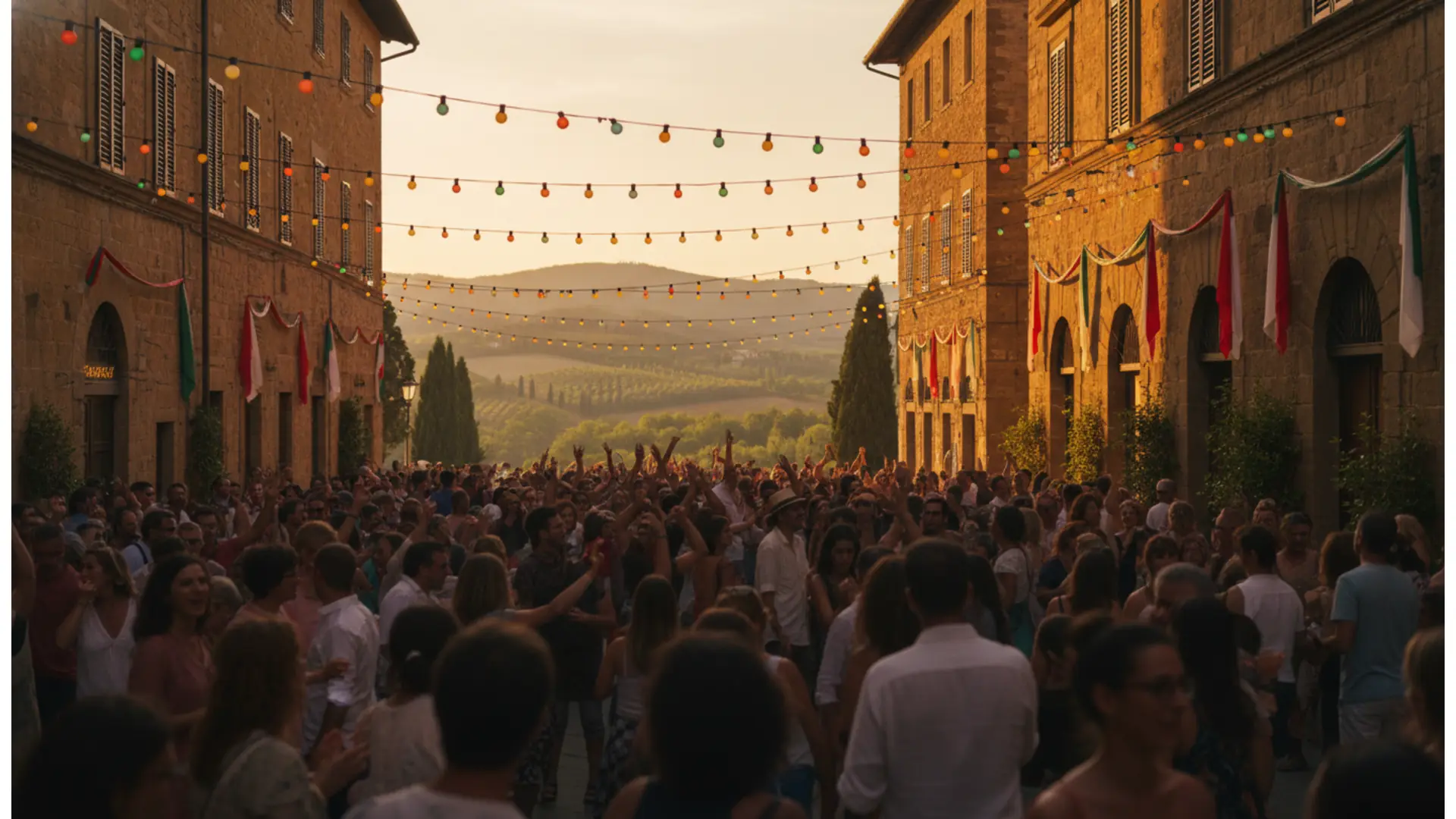
Saint Vitus Patronal Feast
On June 15th, Campora honors its patron saint with a solemn mass, a procession, and music in the square
Edition 2026 not confirmed to date
This edition has not been confirmed by the organiser to date. We recommend checking before going.
About Saint Vitus Feast
A celebration that brings the whole village together
In Campora, a small town in the province of Salerno tucked away in the woods of the upper Calore valley, June 15th is no ordinary day: it is the feast of Saint Vitus, the patron saint venerated for generations by the local community. The patronal feast is one of the most cherished moments of the year, a time when families reunite, historic homes open their doors, and many who have emigrated return to the village to ensure they don't miss the occasion. It is a celebration that blends religious devotion with community spirit, marked not by fanfare, but by a genuine, heartfelt participation.
Saint Vitus, protector of youth and animals
Saint Vitus is one of the most beloved figures in Southern Italian devotion: invoked against illness and considered the protector of both youth and animals, his cult is widespread throughout Cilento and across many towns in Campania. In Campora, this devotion has taken root over the centuries, expressed through solemn liturgies, rituals passed down through families, and moments of quiet reflection that precede the procession.
The 19th-century wooden statue
The heart of the day is the procession, when the saint's wooden statue is carried on shoulders through the village lanes. The image, dating back to the first half of the 19th century, depicts Saint Vitus with a gospel, a cross, and a palm—symbols of his martyrdom. The procession moves slowly through the narrow streets, accompanied by a brass band, amidst decorated houses and the faithful: it is the most moving and photographed moment of the entire day.
What happens on June 15th
- Solemn Mass in honor of the patron saint
- Procession through the village streets with the statue of Saint Vitus and a marching band
- Live music and evening entertainment in the square
- Food stalls serving traditional Cilento dishes
- Games and activities for children and families
Campora, a village within the National Park
The festival is also an opportunity to discover a village that remains off the beaten path. Campora is located within the Cilento, Vallo di Diano and Alburni National Park, a UNESCO World Heritage site, at an altitude between 380 and 900 meters, nestled between the Torno and Trenico streams. The landscape is covered in beech, chestnut, and oak forests, and is famous for its numerous natural springs. Within the town, the Church of San Nicola di Mira (1660), the Church of the Madonna della Neve (1779), and the Annunziata Church are well worth a visit, while the surrounding Trenico valley and municipal woods offer excellent trekking and horseback riding trails.
The flavors of Campora tradition
The festival stalls are the perfect place to sample the mountain cuisine of inland Cilento: handmade fusilli served with rich meat ragù, minestra maritata (a traditional wedding soup of greens and pork), artisanal cured meats, local cheeses, and, in autumn, the chestnuts from the surrounding woods. It is a simple, hearty gastronomy, far removed from the seafood stereotypes usually associated with the Cilento coast.
Why it's worth visiting
Those looking for a massive festival with international headliners won't find it here: the Saint Vitus Patronal Feast is a local event—authentic, intimate, and focused on community participation and the continuity of an ancient rite. For travelers exploring inland Campania, it is a rare chance to witness how a patronal feast is still lived today in the villages of Cilento, far from the crowded coastal resorts of June.
Saint Vitus Feast — edition 2026
For the 2026 edition of the Saint Vitus Patronal Feast in Campora, in the province of Salerno, no official announcement with dates and a program has been found so far. However, the festival is a permanent fixture on the local calendar, linked to the liturgical feast of June 15th, and the community of Campora celebrates it every year with a solemn mass, the procession of the saint's wooden statue accompanied by a marching band, and evening social gatherings.
As soon as the festival committee or the parish releases the program, this page will be updated with times, locations, and details of the events. In the meantime, we recommend contacting the Municipality of Campora or the local parishes directly for updated information.
Prices Saint Vitus Feast 2026
Practical information — Saint Vitus Feast
How to get there
By car: Take the A2/A3 motorway to the Battipaglia exit, then follow the SS18, SS166, and SS488 towards the upper inland Cilento; Campora is approximately 88 km from Salerno. By train: Vallo della Lucania-Castelnuovo station (Vallo Scalo) on the Rome-Reggio Calabria line, then continue by bus or taxi. By bus: Regular connections are available from Salerno and Vallo della Lucania.
Admission and costs
The festival takes place in the streets and public spaces of the village: participation in religious services, the procession, and evening entertainment is traditionally free. Only food and drinks at the stalls are subject to payment.
Useful tips
The historic center is partially closed to traffic during the procession: it is best to leave your car in the parking areas at the entrance to the village and continue on foot. Wear comfortable shoes for the uphill streets and bring a sweater for the evening, as temperatures drop rapidly in the mountains, even in June. For updated schedules, it is advisable to check with the parish or the Municipality of Campora in the days leading up to the festival.
Festival-goer photos
No photos yet. Share yours!
Share your photos
5 photos max, 5 MB per photo (JPG, PNG, WebP)
Noticed an error or missing information?
Help us keep this listing up to date. Every proposal is verified by our team before publication.
Festival-goer reviews
No rating yet — be the first!
No comments yet. Be the first!
Were you there?
Share your experience with the community.
Published by Valentin Contard, festival listings writer. Reviewed, corrected and approved by Christophe Contard, editor-in-chief. .
Where does it take place — Saint Vitus Feast
Centro storico di Campora