Patronal Feast of San Felice
The patron saint of Orria celebrated twice a year, between winter devotion and an August procession in the heart of Cilento
About San Felice in Orria
A patron saint celebrated twice a year
Few communities can claim to celebrate their patron saint twice in twelve months. Orria, a small town of just under a thousand inhabitants perched at about 540 meters above sea level in the Cilento hinterland, in the province of Salerno, has been doing so for generations. The first anniversary falls on January 14th, the day the liturgical calendar remembers San Felice da Nola: it is the historical date, the most intimate and collected one, experienced by the town's faithful through religious services and moments of prayer. The second arrives in the height of summer, the second Sunday of August, when the village repopulates and the festival takes on the broad, choral tones of a great collective celebration.
The August festival: the procession through the village
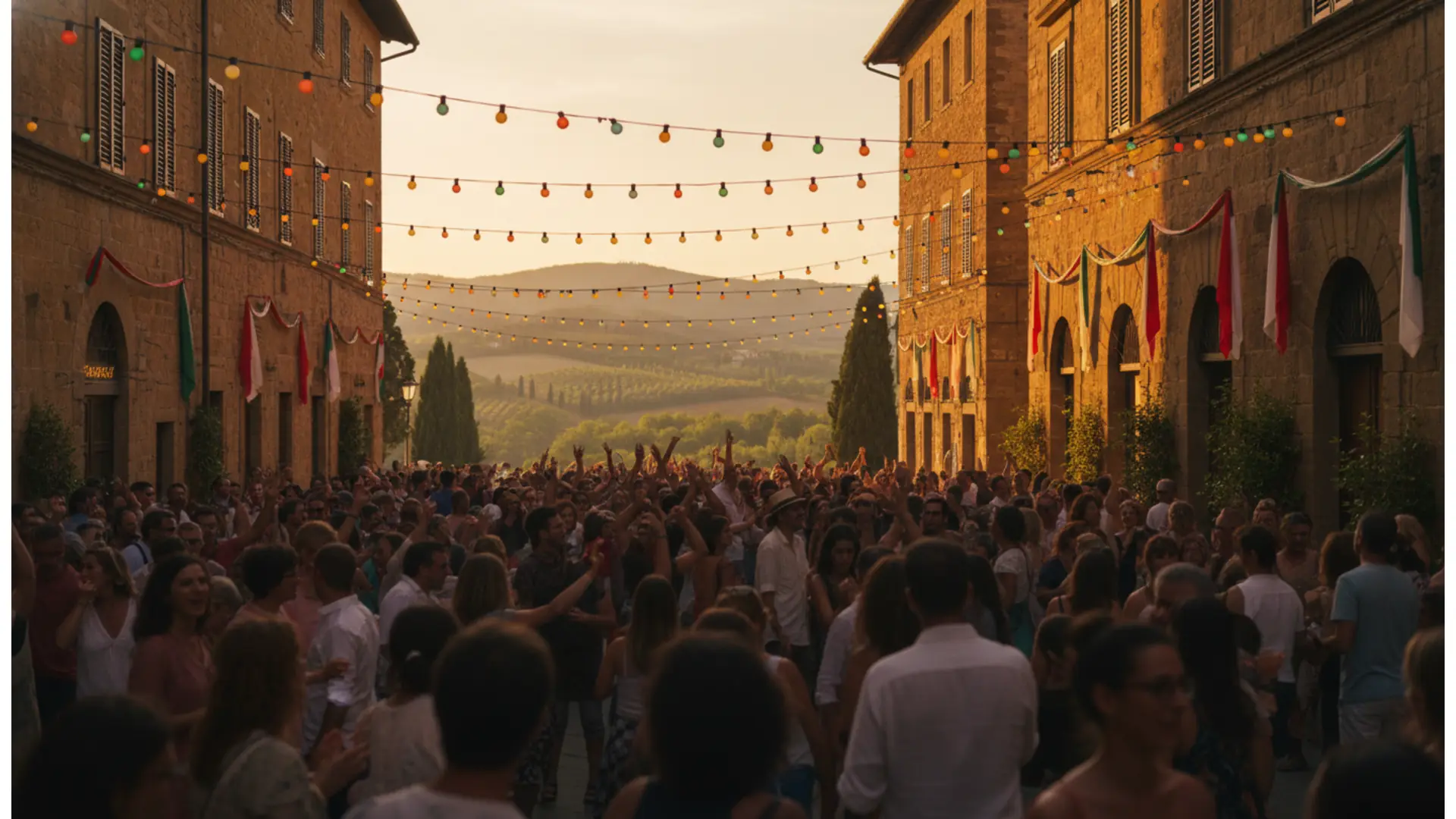
The summer celebration was designed specifically to allow those who have emigrated and return for vacation to participate in the patronal feast. It commemorates the anniversary of the patronage and the arrival in town of a new image of the saint. In the days leading up to Sunday, the streets, alleys, and balconies are decorated to pay homage to San Felice, and the community prepares with the traditional novena.
The most intense moment is the procession, characterized by the devout participation of those who carry the heavy statues on their shoulders up and down the steep streets of the historic center: an act of physical effort and faith that moves all who witness it. Alongside the sacred aspect, the municipal program includes solemn celebrations, music, cultural events, and opportunities for gathering designed for both residents and visitors.
The Church of San Felice Martire
The heart of the festival is the church dedicated to the patron saint, which stands in the Torre area, in the center of the village. The building was constructed by the monks of the Convent of Sant'Agostino between 1505 and 1562 and has undergone numerous restorations over the centuries. Its bell tower is considered one of the oldest in Cilento: according to local studies, it was erected on the remains of a Lombard-era square tower. The square in front, Piazza San Felice, is the natural stage for the village's public events.
Who was San Felice da Nola
Born in Nola towards the end of the 3rd century, Felice was a priest and close collaborator of Bishop Massimo, whom he reportedly saved under miraculous circumstances during the persecutions against Christians. Although never consecrated as a bishop, he is venerated as such by popular acclamation. He is remembered as a myrobolite saint, meaning linked to the sweet fragrance considered a sign of holiness. Patron of Nola, he is the protector of numerous communities in Campania, including Orria.
Orria, a stone village in the Cilento National Park
Those who climb to Orria for the festival find a town that has managed to preserve its character: arches and bridges, fountains, and local stone paving along Via Capo Orria and Corso Umberto I. In addition to the patronal church, the village houses the chapel of the Madonna delle Grazie in Piazza della Vittoria and the sanctuary of Santa Domenica Martire on a panoramic hill. Since 1997, a Museum of Peasant Civilization has been open to visitors, featuring objects and tools that tell the story of the daily life and agricultural activities of the Cilento people. The municipality is part of the Cilento, Vallo di Diano and Alburni National Park, a UNESCO World Heritage site.
Not just San Felice
The calendar of Orria's celebrations is rich: Saint Elijah the Prophet on July 20th in the hamlet of the same name, Saint Sophia on September 30th, the Pennello d'Oro art exhibition at the end of July, and, at the end of August, the famous Fig Festival known as Ficoscia, which enlivens Piazza San Felice itself. Those planning a vacation in the Cilento hinterland can easily combine the patronal feast with the discovery of this territory, which is still little touched by mass tourism.
San Felice in Orria — edition 2026
The two dates of 2026
The Municipality of Orria has confirmed for 2026 the usual double appointment dedicated to the patron saint San Felice: Wednesday, January 14th for the winter liturgical anniversary and Sunday, August 16th for the summer festival, which falls as per tradition on the second Sunday of the month.
What to expect
The January celebration is the most intimate: religious services, moments of prayer, and heartfelt participation from the town's faithful. The August one is the great community festival, combining sacred and convivial dimensions: a procession through the alleys, solemn celebrations in the Church of San Felice Martire, music, and cultural events that enliven the historic center until evening.
Hours and access
According to the municipality's guidelines, events take place approximately from 8:30 AM to 11:30 PM, with free and open participation for anyone wishing to take part in the festival. The organizational reference is the municipal office at Via Stella 7.
Programme San Felice in Orria 2026
Highlights San Felice in Orria 2026
- Procession on August 16th with heavy statues carried on shoulders along the steep streets of the historic center
- Solemn celebrations in the Church of San Felice Martire, a 16th-century building with one of the oldest bell towers in Cilento
- Novena during the nine days preceding the summer event
- Village decoration: streets, alleys, and balconies decorated in honor of the patron saint
- Music and cultural events scheduled on the day of the festival
- Winter anniversary on January 14th, more intimate and devotional
Prices San Felice in Orria 2026
Practical information — San Felice in Orria
How to get there
By car: take the Vallo della Lucania-Castelnuovo Cilento exit on the SS18 Cilentana, then follow provincial roads towards Perito and Orria (about 15 km from the highway). The historic center is pedestrianized during festival days: it is best to leave your car in the parking lots at the entrance to the village.
By train
Vallo della Lucania-Castelnuovo station on the Naples-Reggio Calabria line, then bus or taxi to the interior.
Admission and hours
Participation is free and open to all. Events take place throughout the day, approximately from 8:30 AM to 11:30 PM.
Information
Municipality of Orria, Via Stella 7, 84060 Orria (SA) - tel. +39 0974 993006. Tourism promotion is managed by the Pro Loco Paolo de Matteis.
Tips
The village is in the hills and the streets are steep and paved with cobblestones: comfortable shoes are essential. In August, evenings can be cool, so it is best to bring a light sweater.
Festival-goer photos
No photos yet. Share yours!
Share your photos
5 photos max, 5 MB per photo (JPG, PNG, WebP)
Noticed an error or missing information?
Help us keep this listing up to date. Every proposal is verified by our team before publication.
Festival-goer reviews
No rating yet — be the first!
No comments yet. Be the first!
Were you there?
Share your experience with the community.
Published by Valentin Contard, festival listings writer. Reviewed, corrected and approved by Christophe Contard, editor-in-chief. .
Where does it take place — San Felice in Orria
Chiesa di San Felice Martire e centro storico
Piazza San Felice, 84060 Orria