Cicerale Chickpea Festival
Four days in a Cilento village dedicated to the local chickpea, a Slow Food Presidium
About Chickpea Festival
The Cicerale Chickpea Festival
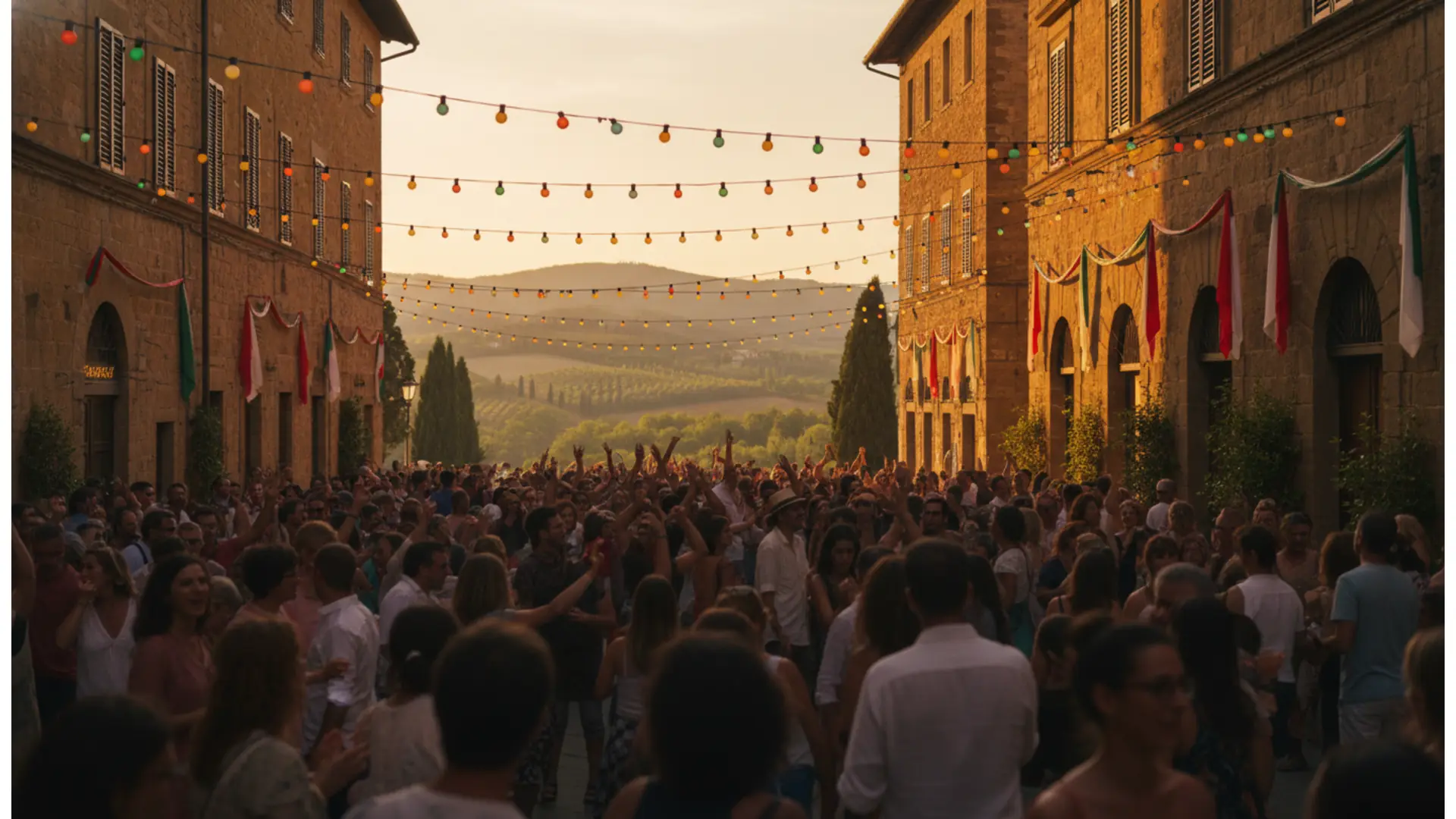
In the heart of Cilento, just a short distance from Agropoli and the Tyrrhenian coast, the Municipality of Cicerale (Province of Salerno, Campania) dedicates four days every summer to the legume that defined its name and identity. The Chickpea Festival brings the village's historic center to life with food stalls, live folk music, and folklore shows, drawing visitors from across the Cilento, Vallo di Diano and Alburni National Park.
The municipal coat of arms bears the Latin motto Terra quae cicera alit, "land that nourishes chickpeas": an ancient indication that tells the story of the bond between this town of just over a thousand inhabitants and its most precious crop better than any brochure. During the festival, the village alleys turn into a journey of taste and culture, with open-air dining tables, artisan workshops, and small spaces set up among the stone houses.
The Cicerale Chickpea, a Slow Food Presidium
The absolute star of the event is the local Cicerale chickpea, recognized as a Slow Food Presidium in 2012. It is a small, round legume, golden in color with hazelnut undertones, featuring an intense flavor and a thin skin that makes it particularly digestible. It grows on the clay hills of the municipal territory without irrigation or chemical treatments, following a traditional agricultural practice that has remained almost unchanged over time.
- Dry cultivation, without synthetic fertilizers or irrigation
- Small, regular shape, golden color with hazelnut highlights
- Rich in vitamin C, B-group vitamins, minerals, and potassium
- Excellent cooking consistency and bold flavor, very different from industrial chickpeas
What to eat
The festival's signature dish is lagane e ceci, fresh handmade pasta rolled with a rolling pin and seasoned with local legumes: a humble recipe, passed down from generation to generation, which has become a true symbol of identity in Cicerale. At the food stalls, however, the chickpea can be found in every course, from appetizers to desserts.
- Lagane e ceci, the event's signature dish
- Traditional Cilento-style chickpea soups
- Chickpea-based fritters and fried snacks
- Rustic salads and garden-fresh dishes
- Local desserts and Campania wines
Music, folklore, and social life
Every evening, a different group takes the stage set up in the historic center: the musical program favors the Cilento and Southern Italian repertoire, including tarantellas, traditional songs, and Mediterranean sounds. Alongside the concerts, there are folklore shows, art exhibitions, games for adults and children, local craft displays, and storytelling moments dedicated to the town's history. The festival is part of the summer circuit of the Notti del Cilento, which brings together the main popular events in the area.
A year-round project
For several seasons, the Municipality of Cicerale has supported all phases of the legume's cultivation with public initiatives: sowing in spring, harvesting in summer, threshing, and finally, tasting. In April 2026, the sowing took place with the participation of administrators, citizens, and young people from the GOL project, together with Giovanna Voria, ambassador of the Mediterranean Diet; Mayor Giorgio Ruggiero spoke of a gesture that belongs to the community's history. The August festival is therefore the culmination of a collective journey, not just a gastronomic evening.
The village and the territory
Cicerale stands on a ridge covered in centuries-old olive groves, behind Agropoli, within the perimeter of the Cilento, Vallo di Diano and Alburni National Park, a UNESCO World Heritage site. The ancient core preserves narrow alleys, stone portals, and the Palazzo Marchesale Primicile Carafa, whose courtyard hosts several events linked to the chickpea cycle. Those arriving for the festival can easily combine the visit with the Cilento sea, the temples of Paestum, and the inland villages, in an itinerary that blends archaeology, nature, and the cuisine of the Mediterranean Diet.
Chickpea Festival — edition 2026
Chickpea Festival 2026: four evenings in the village
The Cicerale Chickpea Festival returns from August 11th to 14th, 2026, confirming the four-evening format in the historic center. The town's streets and squares host food stalls set up among the stone alleys, while the main stage welcomes a different folk music band every night.
The menu revolves entirely around the Cicerale chickpea, a Slow Food Presidium: from lagane e ceci to traditional peasant soups, from fritters to rustic salads, and desserts, all accompanied by local wines. Alongside the gastronomic aspect, the program includes folklore shows, local craft exhibitions, and activities for children.
The 2026 edition is part of the broader municipal project to promote the signature legume, which accompanies sowing, harvesting, and threshing throughout the year. The chickpea threshing precedes the festival on August 9th, with a show in the courtyard of the Palazzo Marchesale Primicile Carafa.
Programme Chickpea Festival 2026
Musical evenings
- Tuesday, August 11th — Vienteterra in concert
- Wednesday, August 12th — Kalimba in concert
- Thursday, August 13th — Sunaria in concert
- Friday, August 14th — Ascarimè in concert
Lead-up event
- Sunday, August 9th — Traditional chickpea threshing with a show in the courtyard of the Palazzo Marchesale Primicile Carafa
Every evening
- Opening of food stalls in the historic center, with chickpea dishes from appetizer to dessert
- Folklore shows and entertainment in the village alleys
- Exhibitions of local crafts and typical products
- Games and activities for children and families
Start times for individual evenings have not been officially announced: stalls generally open late in the evening, in keeping with Cilento festival traditions.
Highlights Chickpea Festival 2026
- Handmade lagane e ceci, the event's signature dish
- The local Cicerale chickpea, a Slow Food Presidium since 2012
- Four folk music concerts: Vienteterra, Kalimba, Sunaria, Ascarimè
- Traditional chickpea threshing on August 9th at Palazzo Marchesale Primicile Carafa
- The historic village center transformed into a journey of taste through alleys and squares
Prices Chickpea Festival 2026
Practical information — Chickpea Festival
How to get there
By car: A2 del Mediterraneo motorway, Battipaglia exit, then SS18 heading south to Agropoli and provincial roads towards the interior (about 20 km from Agropoli). By train: Agropoli-Castellabate station on the Salerno-Reggio Calabria Tyrrhenian line, then bus or taxi. By plane: Salerno-Costa d'Amalfi (Pontecagnano) or Naples-Capodichino airport.
Hours and admission
The event takes place in the evening in the historic center. Access to the village and the shows is free; tastings at the food stalls are paid, with prices not officially announced by the organizers.
Contacts
Pro Loco Cicerale, tel. +39 334 3826936. Updates and program on the Pro Loco Facebook page.
Useful tips
The historic center is hilly and paved with cobblestones: comfortable shoes are recommended. Parking in the village is limited, so it is best to arrive early. For accommodation, there are farmhouses and bed and breakfasts in the surrounding countryside, or hotels on the coast between Agropoli and Castellabate, half an hour's drive away.
Festival-goer photos
No photos yet. Share yours!
Share your photos
5 photos max, 5 MB per photo (JPG, PNG, WebP)
Noticed an error or missing information?
Help us keep this listing up to date. Every proposal is verified by our team before publication.
Festival-goer reviews
No rating yet — be the first!
No comments yet. Be the first!
Were you there?
Share your experience with the community.
Published by Valentin Contard, festival listings writer. Reviewed, corrected and approved by Christophe Contard, editor-in-chief. .