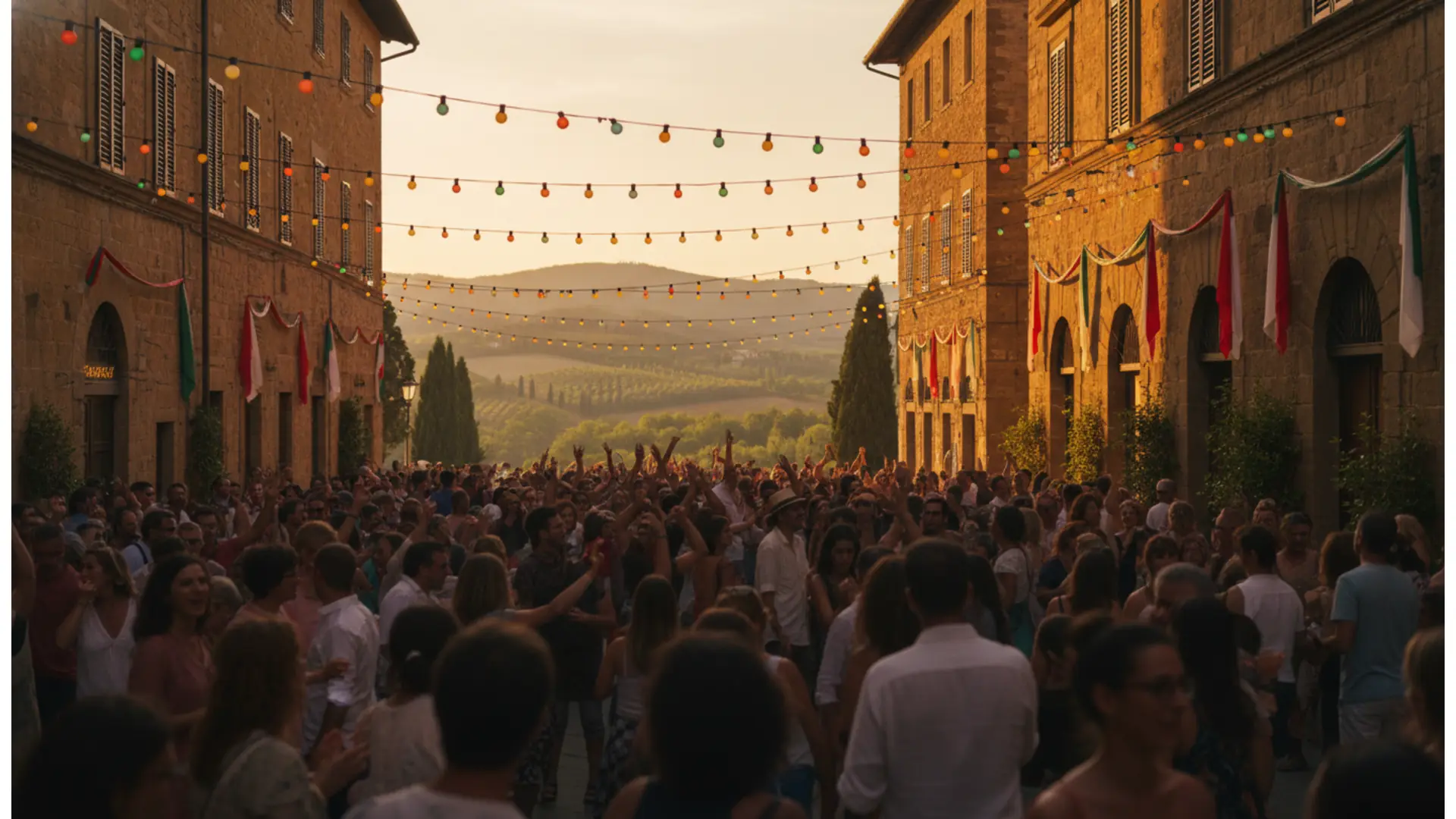
Saint Anthony Abbot Festival
The traditional mid-January festival with the blessing of animals in Casola Valsenio
About Saint Anthony Festival
A Farming Festival in the Heart of the Senio Valley
The Saint Anthony Abbot Festival is one of the most cherished events for the community of Casola Valsenio, a small municipality in the Province of Ravenna, in the Apennine Emilia-Romagna region. Celebrated in mid-January, around the 17th of the month, the saint's liturgical feast day, the festival combines religious devotion, rural tradition, and village conviviality in a single day that draws residents and visitors from all over the valley.
Saint Anthony Abbot, Protector of Animals
Saint Anthony Abbot, also known as Saint Anthony of the pig, has been the protector of domestic animals and the farming world for centuries. In a land like Casola, characterized by its countryside, livestock, and ancient agricultural traditions, his festival holds a very strong identity value. The most anticipated moment is the blessing of the animals, which takes place in the early afternoon: families and farmers bring dogs, cats, horses, and farmyard animals to receive the blessing, in a rite that intertwines popular faith and respect for the ancient bond between humans and nature.
The Day's Program
The day opens with the morning Holy Masses and the distribution of blessed bread and traditional sweets. In the early afternoon, the animal blessing takes place, followed throughout the afternoon by the distribution of bruschetta, sweets, fritters, chocolate, and mulled wine. The atmosphere is enlivened by the brass band, which plays both outdoors and inside the parish church when the cold or rain requires it, and by entertainment designed for families and children, with animation and a mobile farm for the kids.
The Lottery and Community Spirit
The grand finale of the festival is the lottery draw, which each year offers dozens of prizes donated by local merchants and artisans: gastronomic baskets, vouchers for restaurants, local services, and activities. The proceeds support community and parish initiatives, confirming the spirit of solidarity that animates the event. Organized by the Parish together with the Pro Loco and local associations, the Saint Anthony Abbot Festival is much more than a religious observance: it is a moment when Casola Valsenio comes together around its farming roots.
Among the Popular Traditions of the Romagna Apennines
As in many villages in the Apennines between Romagna and Tuscany, the Saint Anthony festival in Casola Valsenio marks the heart of winter and the anticipation of the warmer season. It is an opportunity to rediscover the flavors and rituals of the past, in a town known for its herb gardens and its rural vocation, and to experience an authentic event far from mass tourist circuits.
Saint Anthony Festival — edition 2026
Saint Anthony Abbot Festival 2026
The 2026 edition took place on Sunday, January 18th in Casola Valsenio. The day, although affected by bad weather, followed the usual program: morning Holy Masses, distribution of blessed bread, blessing of animals in the afternoon, and moments of celebration with music and traditional sweets.
The 2026 Lottery
The lottery draw offered numerous prizes donated by local merchants and artisans: gastronomic baskets, restaurant vouchers, personal services, clothing, fuel, mechanical work, cinema tickets, and household items. The winning tickets were divided into four colors. The band accompanied the day, playing both outdoors and in the church due to the rain.
Programme Saint Anthony Festival 2026
- Morning — Holy Masses and distribution of blessed bread and sweets
- Early Afternoon — Traditional blessing of animals
- Afternoon — Distribution of bruschetta, sweets, fritters, chocolate, and mulled wine, music with the band, and entertainment for children
- Late Afternoon — Lottery draw with numerous prizes
Highlights Saint Anthony Festival 2026
- Blessing of animals
- Brass band playing outdoors and in the parish church
- Lottery draw with dozens of local prizes
- Traditional sweets, fritters, and mulled wine
Prices Saint Anthony Festival 2026
Practical information — Saint Anthony Festival
How to Get There
Casola Valsenio can be reached by car via the Casolana road, which connects Riolo Terme and Imola to the valley; the nearest motorway exit is Imola on the A14. The nearest train station is Faenza, from which you can continue by bus or car towards the Senio valley.
When
The festival takes place on a single day, the Sunday closest to January 17th, the feast day of Saint Anthony Abbot.
Costs
Participation in the festival and the blessing of animals is free. Lottery tickets can be purchased on-site and in the preceding days.
Contacts
For information: Pro Loco of Casola Valsenio, [email protected], tel. +39 349 8225622.
Festival-goer photos
No photos yet. Share yours!
Share your photos
5 photos max, 5 MB per photo (JPG, PNG, WebP)
Noticed an error or missing information?
Help us keep this listing up to date. Every proposal is verified by our team before publication.
Festival-goer reviews
No rating yet — be the first!
No comments yet. Be the first!
Were you there?
Share your experience with the community.
Published by Valentin Contard, festival listings writer. Reviewed, corrected and approved by Christophe Contard, editor-in-chief. .
Where does it take place — Saint Anthony Festival
Chiesa parrocchiale e piazza del paese