Patronal Feast of Beato Angelo
Furci's devotion to its patron saint: a blend of faith, folk tradition, and major concerts
Edition 2026 not confirmed to date
This edition has not been confirmed by the organiser to date. We recommend checking before going.
About Beato Angelo Feast
The Patron Saint of Furci
In the heart of the Vastese countryside, the village of Furci, in the province of Chieti, dedicates its most important annual event to Beato Angelo da Furci. Born in Furci in 1246, he joined the Order of Saint Augustine at a very young age. Angelo studied theology in Paris, taught in numerous convents, and served as provincial prior in Naples, humbly declining the episcopal appointments of Acerra and Melfi. He died in Naples on February 6, 1327, and his cult was approved by Pope Leo XIII in 1888. In August 1808, his relics were translated from Naples to his hometown; since then, the community has celebrated his memory, alongside that of Saint Nicholas of Bari, with a deeply felt festival.
Three Days of Faith and Community
The festivities center around September 13, the date commemorating the translation of the relics, and begin in the preceding days with a novena and evening celebrations. The religious heart of the feast is the solemn Eucharistic concelebration on the main day, presided over by distinguished prelates and theologians. In recent years, the liturgy has been led by figures such as Monsignor Bruno Forte, Monsignor Vincenzo Paglia, and Monsignor Carlo Dell'Osso, a professor at the Patristic Institute Augustinianum in Rome.
The Procession and the Parade of the Conche
Following the solemn mass, the procession carrying the urn with the relics of Beato Angelo winds through the village streets, accompanied by the traditional parade of the conche. Women carry characteristic copper basins (conche) on their heads, a symbol of Abruzzo's rural heritage. It is a moment where popular devotion becomes a display of identity, complete with traditional costumes, music, and the participation of the entire community.
Music and Fireworks
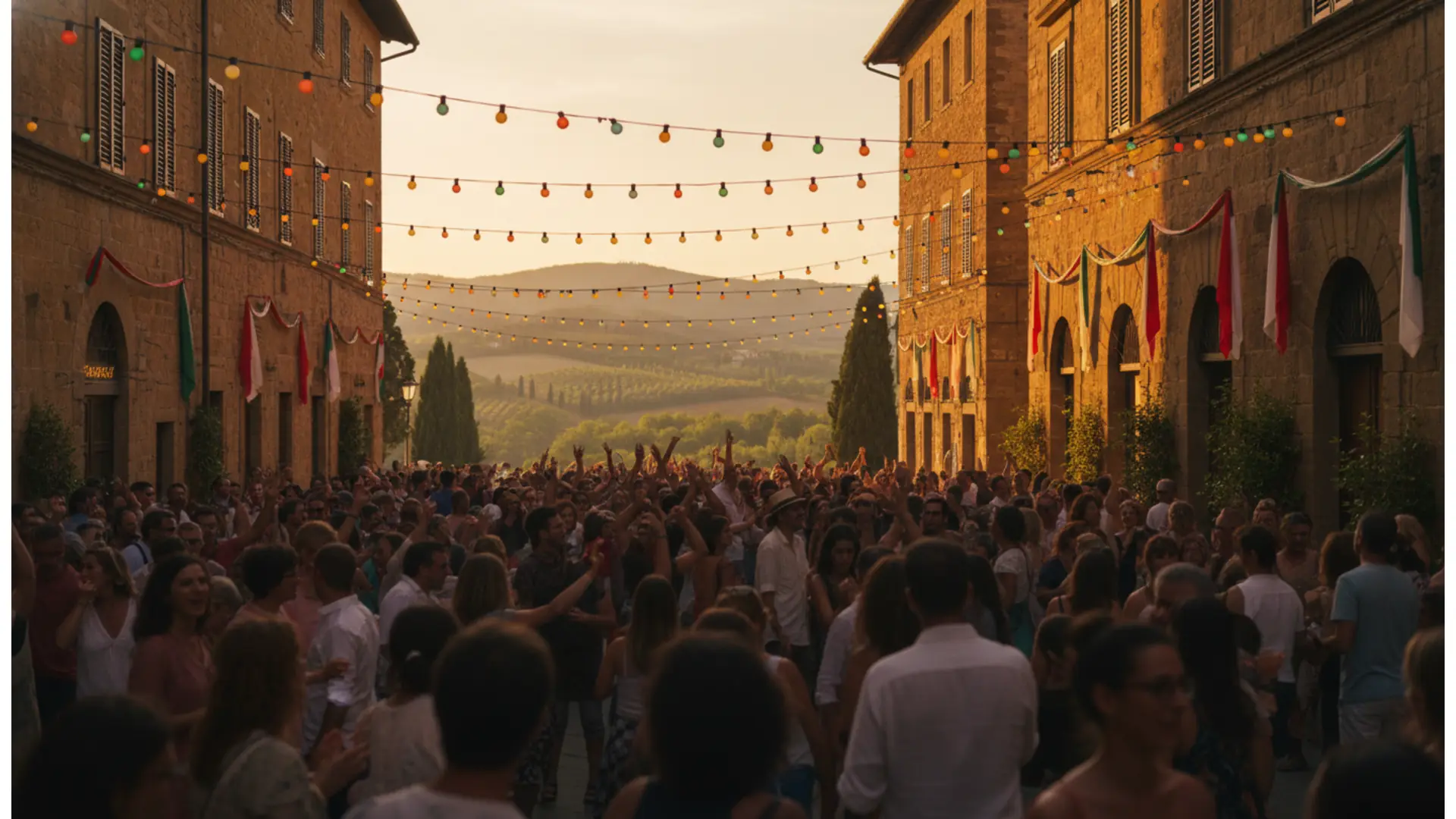
Beyond its religious dimension, the patronal feast showcases the joyful side of village life. On the evening of the main day, the square comes alive with a major concert featuring nationally renowned artists—such as Matia Bazar and Luisa Corna in recent years—followed by a fireworks display that brings the festivities to a spectacular close. The program is rounded out by market stalls, festive lighting, and moments of conviviality that make these days a highly anticipated event throughout the region.
An Opportunity to Discover Furci
The Feast of Beato Angelo is the perfect occasion to discover one of the most authentic villages in the province of Chieti, in Abruzzo, with its sanctuaries, panoramic views of the Vastese hills, and the genuine hospitality of a community deeply rooted in its traditions. It is a journey into the spirituality and folklore of a corner of Abruzzo that remains a hidden gem.
Beato Angelo Feast — edition 2026
At present, neither the official dates nor the program for the 2026 edition of the Feast of Beato Angelo in Furci have been published. By tradition, the event takes place around September 13, the date of the translation of the patron saint's relics. It is recommended to check the channels of the Sanctuary of Beato Angelo, the parish, and the Municipality of Furci for updates on the final program.
Practical information — Beato Angelo Feast
Getting There
Furci is located in the hinterland of the province of Chieti, in Abruzzo. By car, it can be reached via the A14 motorway (Vasto Nord or Vasto Sud exits), continuing along the local roads toward the Vastese area. The nearest train station is Vasto-San Salvo, on the Adriatic line.
When
The festivities take place every year in mid-September, culminating on September 13, the day commemorating the translation of the relics of Beato Angelo.
Admission
Religious celebrations, the procession, and concerts in the square are free to attend.
Information
For the detailed program, it is recommended to contact the Sanctuary of Beato Angelo or follow the official channels of the parish and the Municipality of Furci in the weeks leading up to the feast.
Festival-goer photos
No photos yet. Share yours!
Share your photos
5 photos max, 5 MB per photo (JPG, PNG, WebP)
Noticed an error or missing information?
Help us keep this listing up to date. Every proposal is verified by our team before publication.
Festival-goer reviews
No rating yet — be the first!
No comments yet. Be the first!
Were you there?
Share your experience with the community.
Published by Valentin Contard, festival listings writer. Reviewed, corrected and approved by Christophe Contard, editor-in-chief. .
Where does it take place — Beato Angelo Feast
Santuario del Beato Angelo