Palermo Social Carnival
The Carnival of rights that traverses the neighborhoods of Palermo
About Social Carnival
A Carnival that starts from the suburbs
The Palermo Social Carnival is not your typical parade of allegorical floats, but a widespread, grassroots event that travels through the working-class districts of the Sicilian capital every February. Promoted by a network of about forty entities, including associations, parishes, schools, and civic movements, the Social Carnival is also known as the Carnival of Rights: alongside the festivities, masks, and performances, it incorporates moments of collective reflection on housing, labor, the environment, peace, healthcare, and culture.
History
The initiative began in 2009 and has since become a highly anticipated date in the social and cultural calendar of Palermo, the capital of Sicily. Each edition selects a guiding theme that sets the tone for the parades and workshops. The route touches the city's most symbolic districts — Zen, Ballarò, Kalsa, Borgo Vecchio, Zisa, Noce, CEP, and Olivella — restoring centrality to areas often left on the margins of city discourse.
Workshops and participation
The Social Carnival does not end with the parades: in the weeks leading up to the event, creative workshops animate the primary schools of the involved neighborhoods. Children create masks, decorations, banners, and choreographies, building the festival's imagery from the ground up. The parades thus become the visible outcome of meticulous community work.
Atmosphere and significance
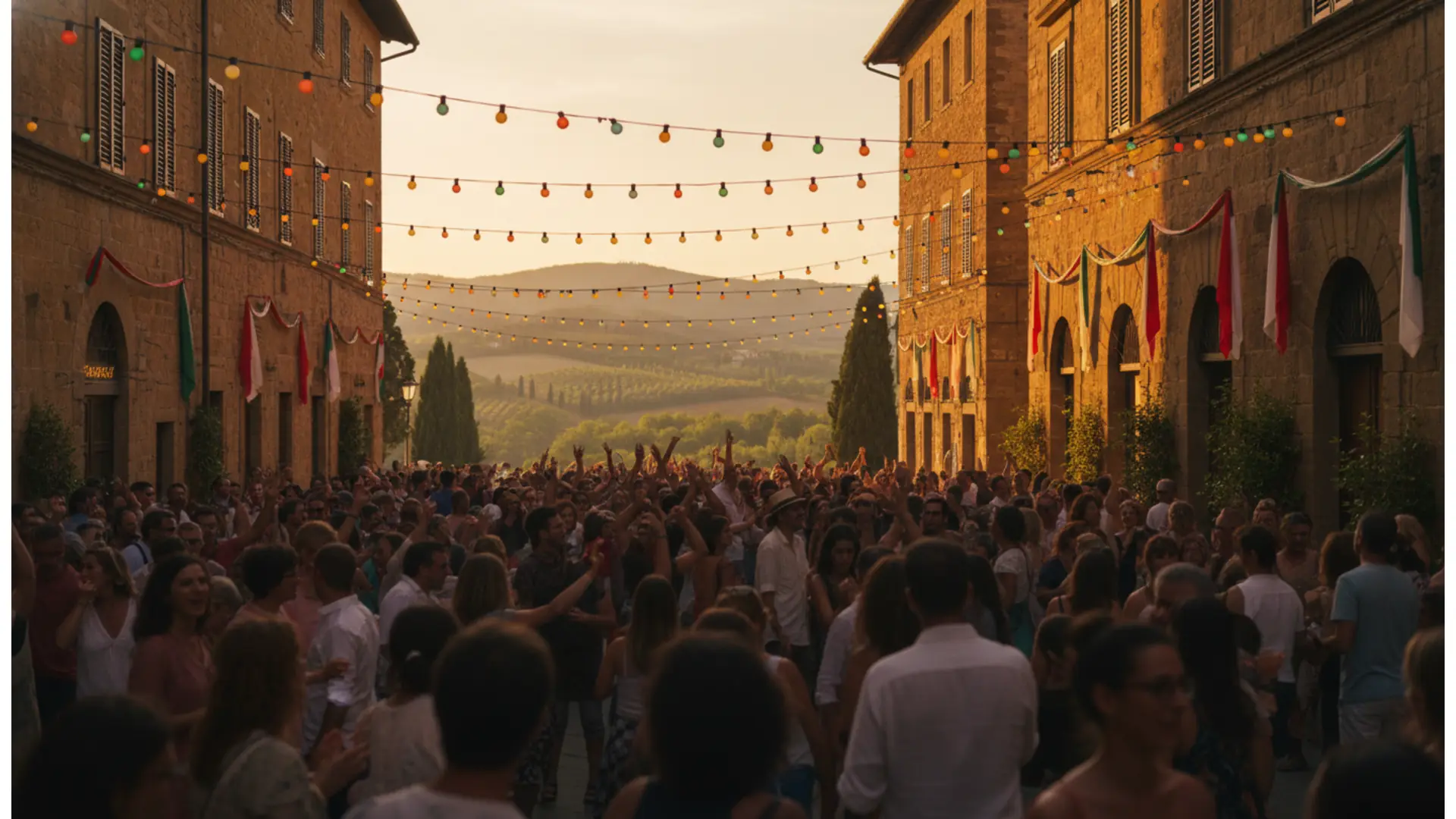
Drums, dances, colorful costumes, and boisterous processions bring alleys and squares to life, but beneath the celebration flows a clear message: working-class neighborhoods are a living part of the city and demand to be heard. The Social Carnival thus blends carnival joy with social advocacy, in an original formula that distinguishes Palermo within the landscape of Sicilian carnivals.
- Where: working-class neighborhoods of Palermo (Province of Palermo, Sicily)
- When: February, during the Carnival period
- Organizers: network of associations, parishes, schools, and civic movements
- Admission: free and open to all
Social Carnival — edition 2026
The 18th edition of the Palermo Social Carnival (February 12-17, 2026) chose the theme "Non ti allargare", a provocative formula to reflect on the colonization of urban spaces and the self-determination of bodies, territories, and cities. The parades involved numerous districts of the city, restoring prominence to the suburbs.
2026 Parade Calendar
- February 12 – Zen, 3:00 PM (San Filippo Neri Church)
- February 13 – Kalsa and Sant'Erasmo (Sant'Erasmo marina 2:30 PM, Via Ingrassia 3:00 PM, Piazza Magione 4:00 PM)
- February 14 – CEP (Via Barisano da Trani, 3:00 PM), Olivella (Via San Basilio, 3:00 PM), and Partinico (Arci Pasolini Club, 4:00 PM)
- February 16 – Borgo Vecchio, 3:00 PM (Piazza della Pace)
- February 17 – Ballarò (3:00 PM) and Zisa-Noce (3:00 PM)
As per tradition, the event was preceded by workshops in neighborhood schools, involving the creation of masks, banners, and choreographies.
Programme Social Carnival 2026
Neighborhood Parades
- February 12 – Zen, 3:00 PM (San Filippo Neri Church)
- February 13 – Kalsa-Sant'Erasmo: Sant'Erasmo marina 2:30 PM, Via Ingrassia 3:00 PM, Piazza Magione 4:00 PM
- February 14 – CEP (Via Barisano da Trani) 3:00 PM, Olivella (Via San Basilio) 3:00 PM, Partinico (Arci Pasolini Club, Via Bongiorno 29) 4:00 PM
- February 16 – Borgo Vecchio, Piazza della Pace, 3:00 PM
- February 17 – Ballarò 3:00 PM, Zisa-Noce 3:00 PM
Highlights Social Carnival 2026
Prices Social Carnival 2026
Practical information — Social Carnival
Getting there
The parades take place in various neighborhoods of Palermo (Zen, Ballarò, Kalsa, Borgo Vecchio, Zisa-Noce, CEP, Olivella). The city is accessible by train (Palermo Centrale station), by car via the A19 and A29 motorways, and by plane via the Falcone-Borsellino airport in Punta Raisi, which is connected to the city center by train and shuttle bus. In the historic districts, it is best to travel on foot or by public transport.
Admission
Participation in the parades is free and open to everyone. It is recommended to check the organizers' social media channels for the updated schedule of stops.
Festival-goer photos
No photos yet. Share yours!
Share your photos
5 photos max, 5 MB per photo (JPG, PNG, WebP)
Noticed an error or missing information?
Help us keep this listing up to date. Every proposal is verified by our team before publication.
Festival-goer reviews
No rating yet — be the first!
No comments yet. Be the first!
Were you there?
Share your experience with the community.
Published by Valentin Contard, festival listings writer. Reviewed, corrected and approved by Christophe Contard, editor-in-chief. .
Where does it take place — Social Carnival
Quartieri di Palermo (Zen, Kalsa, Ballarò, Borgo Vecchio, Zisa-Noce, CEP, Olivella)