Living Via Crucis of San Mango
The Passion comes to life in the alleys of a Cilento village
About Living Via Crucis San Mango
A living Via Crucis in the heart of Cilento
The Living Via Crucis of San Mango is a re-enactment of the Passion of Christ held in the hamlet of San Mango Cilento, within the municipality of Sessa Cilento, in the province of Salerno, Campania. It takes place during the Lenten period, in the weeks preceding Easter, and directly involves the village residents: there are no professional actors or seated audience, but rather a community moving together along a processional route.
The village as a natural stage
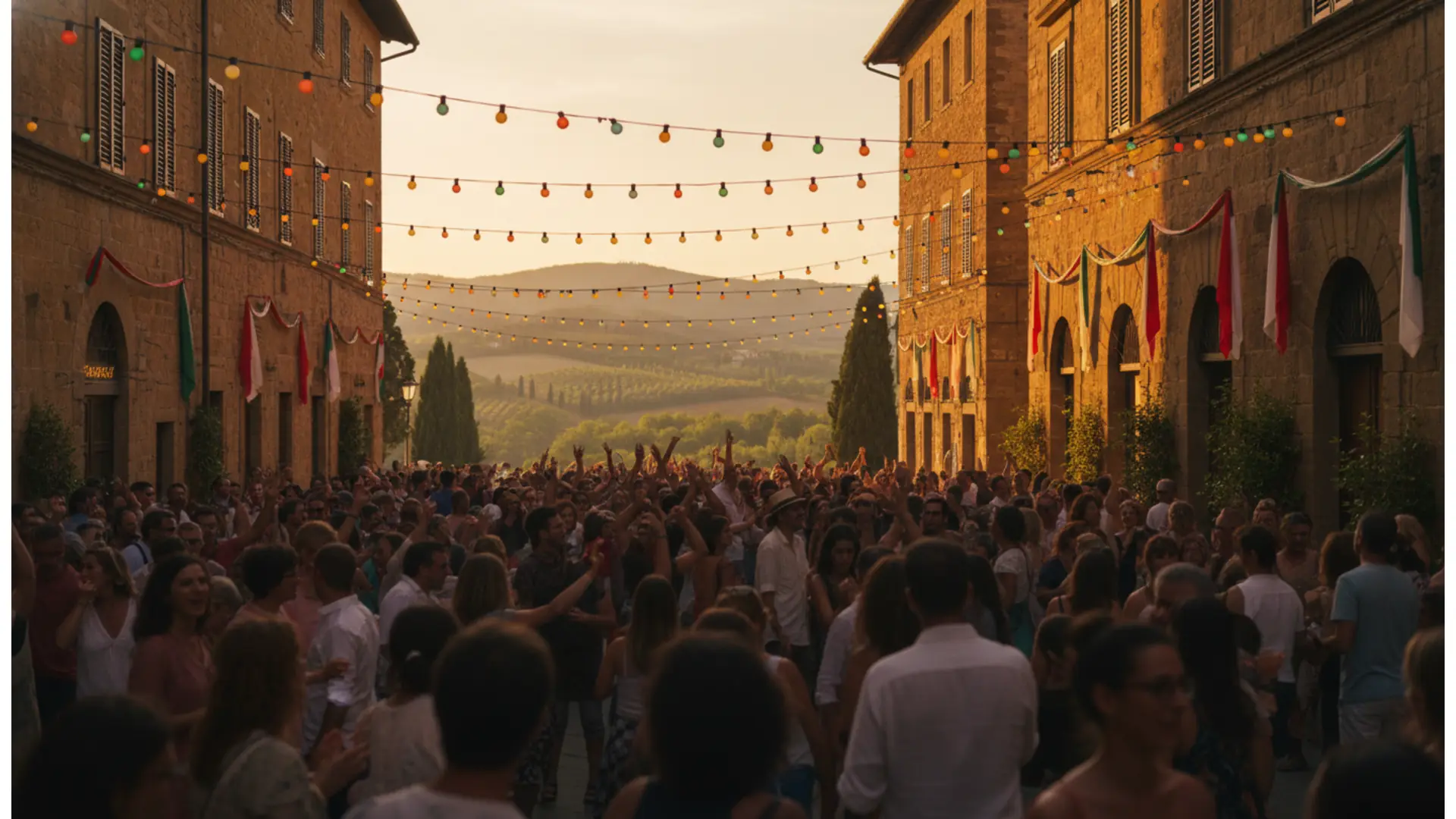
San Mango is situated at an altitude of approximately 560 meters within the Cilento National Park and is home to just a few hundred people. Its sloping streets, narrow alleys, and small chapels serve as the backdrop for the performance; there is no need for construction, as the village itself provides the perfect setting. This, more than any other element, gives the San Mango Via Crucis its unique character: the Passion is not staged in a neutral space, but among the homes where people live year-round.
An entire community on stage
As documented by the local press, men, women, youth, and children take on the roles of the Gospel story. Dialogue is kept to a minimum, leaving room for silence and contemplation, with a rhythm that guides spectators from one station to the next. Behind the performance lies a collective effort: organizers, priests, volunteers, and associations meticulously handle costumes, staging, direction, and routes. The result is less of a play and more of a collective experience, where the line between observer and performer blurs.
San Mango, a village with a long history
The origins of the settlement date back to the 10th century: a document from 994 mentions a monastery dedicated to Saint Magnus, founded by Eastern monks and later passed to the Benedictines. Remnants of the past include the ancient bell tower of the Church of Santa Maria degli Eremiti, the 18th-century Palazzo Del Giudice, and various chapels scattered throughout the village. In the early 19th century, following Napoleonic reforms, San Mango was the seat of a municipality that united seven villages; from January 1, 1834, the seat moved to nearby Sessa, and San Mango became a hamlet. Centuries-old popular devotion is also evidenced by the cult of Saint Rosalia, venerated here since the mid-17th century.
The living Via Crucis of Cilento
The San Mango performance is part of a widespread tradition throughout the Cilento region, where various towns stage the final hours of Jesus' life along the streets of their historic centers during Holy Week: this occurs in Pisciotta, Torchiara, Casal Velino, and Capaccio Paestum. Each village has its own style, chants, and staging solutions, but the core mechanism remains the same: the community identifies with an ancient story and brings it to life in their daily surroundings. For those visiting Cilento in the spring, attending one of these performances is one of the most direct ways to connect with the identity of the inland villages.
What to expect
- A walking route along the streets and alleys of the village, with multiple stations.
- Performers drawn entirely from the local community, of all ages.
- Few words, much silence: the atmosphere is one of contemplation, not celebration.
- An exceptional landscape, nestled in the hills of the Cilento National Park.
Those wishing to attend should keep in mind that this is a local event, communicated primarily through parish channels and local associations: it is advisable to check dates and times as Lent approaches.
Living Via Crucis San Mango — edition 2026
The 2026 edition
On March 28, 2026, the hamlet of San Mango, in the Municipality of Sessa Cilento (province of Salerno), hosted its Living Via Crucis. The story of the Passion unfolded along the streets and alleys of the village, used as a natural stage, with no clear separation between performers and spectators.
Residents of all ages took part in the performance: men, women, youth, and children in the Gospel roles. The dialogue, reduced to the essentials, left room for moments of contemplation, while the preparation work — costumes, staging, direction, and route definition — was handled step-by-step by organizers, priests, volunteers, and local associations.
In the account published by the Cilento press, the most authentic meaning of the evening lay not so much in the success of the staging as in the ability to make a cohesive community visible: faith stepping out from the church walls to become a living presence among the houses. An event that, in a village of a few hundred inhabitants in the heart of the Cilento National Park, also serves as a moment of collective gathering.
Programme Living Via Crucis San Mango 2026
Highlights Living Via Crucis San Mango 2026
Prices Living Via Crucis San Mango 2026
Practical information — Living Via Crucis San Mango
Location
In the historic center of San Mango Cilento, a hamlet of the Municipality of Sessa Cilento (province of Salerno), postal code 84074. The route winds through the village streets.
How to get there
By car: San Mango can be reached via the inland roads of Cilento; the village is in the hills at about 560 meters altitude, so it is best to leave your car at the entrance to the village and continue on foot. By train: the reference stations for inland Cilento are Agropoli-Castellabate and Vallo della Lucania-Castelnuovo, on the Tyrrhenian line; from there, you must continue by car.
Tips
- Wear comfortable shoes: the route involves sloping streets and uneven surfaces.
- Dress appropriately for the season: evenings in March and April in the hills can be cold.
- As this is a moment of religious contemplation, a respectful and discreet attitude is expected, including when taking photographs.
Information
Dates and times are announced by the parish and local associations in the weeks leading up to Easter. For updated information, it is best to contact the Municipality of Sessa Cilento or the parish community of San Mango Cilento.
Festival-goer photos
No photos yet. Share yours!
Share your photos
5 photos max, 5 MB per photo (JPG, PNG, WebP)
Noticed an error or missing information?
Help us keep this listing up to date. Every proposal is verified by our team before publication.
Festival-goer reviews
No rating yet — be the first!
No comments yet. Be the first!
Were you there?
Share your experience with the community.
Published by Valentin Contard, festival listings writer. Reviewed, corrected and approved by Christophe Contard, editor-in-chief. .
Where does it take place — Living Via Crucis San Mango
Centro storico di San Mango Cilento